This piece was contributed by Dr. Rebecca Guidice, Professor of Management & Director of the Executive & Professional MBA Programs, UNCW Cameron School of Business.
Try this line the next time you are appointing members to a team activity in your organization:
Teamwork is important; you never have to take all the blame yourself
At the Cameron School of Business, we recently asked our MBA students to consider the role of humor in the workplace. I subscribe to the view that humor is a powerful asset for leaders when dealing with the complex challenges of the modern workplace. As a leader’s career develops, problems become more complex and decisions increasingly consequential. As a result, many leaders seem to believe there is a law of leadership saying we need to become more serious. I am not sure who wrote that law, because it’s a misconception that a leader’s “serious” demeanor equates to professionalism and competence. In fact, evidence suggests that this approach can limit a leader’s potential. Learning to balance humor and seriousness in the workplace is an important dichotomy of leadership that should be added to those already in existence. These dichotomies include: “empower others to lead but also own everything that happens under your leadership”, “be humble but not passive”, and “be courageous but not reckless”. To this I would add, “be serious but lighten up”!
Humor is important! Today’s complex workplace environment is one where too many people are disconnected from their organizations and the lures of tribalism regrettably, can prevail. To defuse, leaders should, where appropriate, encourage rather than discourage levity both within themselves and across members of their organization. Humor is a powerful way to humanize oneself, break down barriers, find commonalities, and ultimately, build much-needed trust among leaders and followers.
Keep in mind, leader humor doesn’t require the theatrics of stand-up comedy. Think of leader humor as possessing a sense of humor and an appreciation for levity – those moments brought about by self or others that lighten the mood or make people smile. Should you have the talents of Jerry Seinfeld, that is simply extra icing on the cake.
As a leader, you can capitalize on the benefits of humor by fostering a culture that values it. Consider the list below of some known benefits associated with humor:
|
|
|
|
|
|
|
|
|
|

October Sales Fall In Brunswick Co.; Year-to-date Volume Gets Closer To $3B
Staff Reports
-
Nov 27, 2026
|

“There are other brokers that do a lot of industrial, but Will is the only guy that only does industrial,” a developer said. “Most everybody...
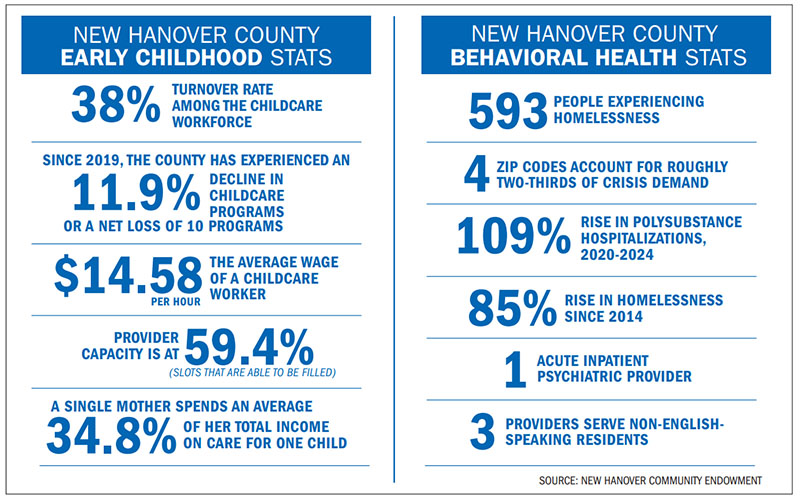
The endowment shared its plan to use data-based research to develop its grantmaking strategy....

The 1,400-acre Riverlights master-planned community on River Road in Wilmington welcomed its first residents in 2016. Since then, the commun...

The 2026 WilmingtonBiz: Book on Business is an annual publication showcasing the Wilmington region as a center of business.