Considering that it’s a good idea to have reserve funds for long-term capital and maintenance expenses, I am always surprised when I am asked that question. The answer is even more surprising, since in North Carolina and South Carolina there are no state statutes that requires property owners’ associations to have a professional reserve study performed. However, many associations mandate the use of a reserve fund to cover long-term replacements and major repairs of the common elements.
The absence of a reserve fund or a professional reserve fund study can have a striking impact, since it will make the community off limits to potential buyers seeking a loan insured by the Federal Housing Administration (FHA). For a borrower to qualify for an FHA loan, a condominium association has to be able to prove that a minimum of 10 percent of the annual assessments in its budget are allocated to fund reserves.
A number of mortgage companies have followed suit and this has limited the ability of potential buyers to purchase in some communities.
At Community Association Management Services (CAMS), we generally recommend that a condominium association obtain a reserve study when it has extensive common elements. If a community association only has a few small common elements, such as an entrance sign or storm water pond, a professional reserve study may not be necessary or cost-effective. Knowing how much will need to be contributed to the reserves each year is essential, which makes it important to maintain and update a schedule of prices from local contractors, even for small communities.
A professional management company will assist an association’s board of directors in preparing a Request for Proposal (RFP), and then obtain proposals from professional reserve study providers. Most professional reserve study providers have many years of experience in construction and project management. Most also are likely to be licensed engineers. When reviewing a proposal for a reserve study, check to see if the company is familiar with the condominium or community. It’s also a good idea to ask a reserve study provider for a sample report and references from a minimum of three communities that are similar to yours.
Reserve funds should always be segregated from operating funds in the association’s bank accounts and reflected on the association’s financial reports. The reserve fund bank accounts should be earmarked as reserves for IRS and tax purposes. As professional managers, we recommend the financial statements be prepared in a fund accounting format so that the reserve income and reserve/expenses have their own balance sheet, as well as a separate income and expense statement. Fund accounting also tracks any interfunds that may be owed between reserve funds or operating funds.
A reserve study is provided as an aid for planning purposes and it is not an accounting tool. There is no assurance that the results enumerated within a reserve study will occur as described, since it’s impossible to predict the future. For a full discussion of reserve studies or more information about community management, please visit the CAMS website at www.CAMSmgt.com.
Mike Stonestreet is a 26-year veteran of the professional HOA management industry who has achieved one of the highest education-based designations in the field, that of Professional Community Association Manager (PCAM). Community Association Management Services (CAMS) has been a leading association management company since its inception in 1991. CAMS is a trusted provider of management services for more than 265 associations throughout North Carolina, South Carolina and Georgia. To find out how CAMS can benefit your community, call 910-256-2021, email [email protected], or visit www.CAMSmgt.com.


Wilmington Startup Develops New Approach To Divorce Resolution
Cierra Noffke
-
Oct 8, 2026
|
|
County Review Panel Reverses Approval Of Sledge Forest Development Plan
Cece Nunn
-
Oct 9, 2026
|
|
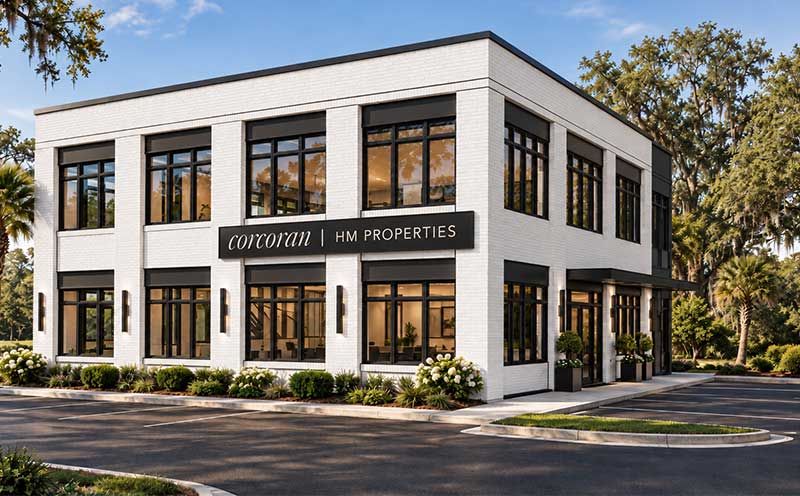
Residential Real Estate Firm To Build Office On Former Bank Site
Emma Dill
-
Oct 8, 2026
|
|
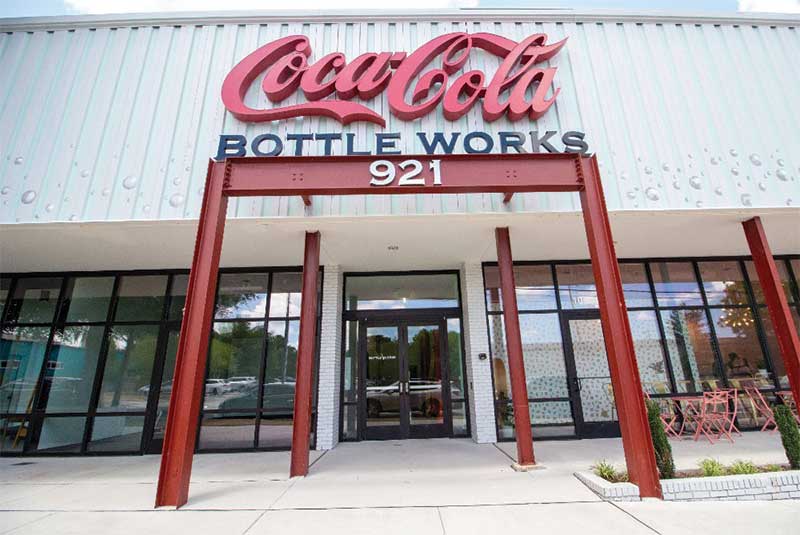
More Parking Planned For Soda Pop District
Emma Dill
-
Oct 9, 2026
|
|

A CON law prohibits healthcare providers from building certain medical facilities, developing new health services or acquiring certain medic...

Industry professionals say people seem much more willing these days to travel to the Wilmington area outside of the traditional summer vacat...
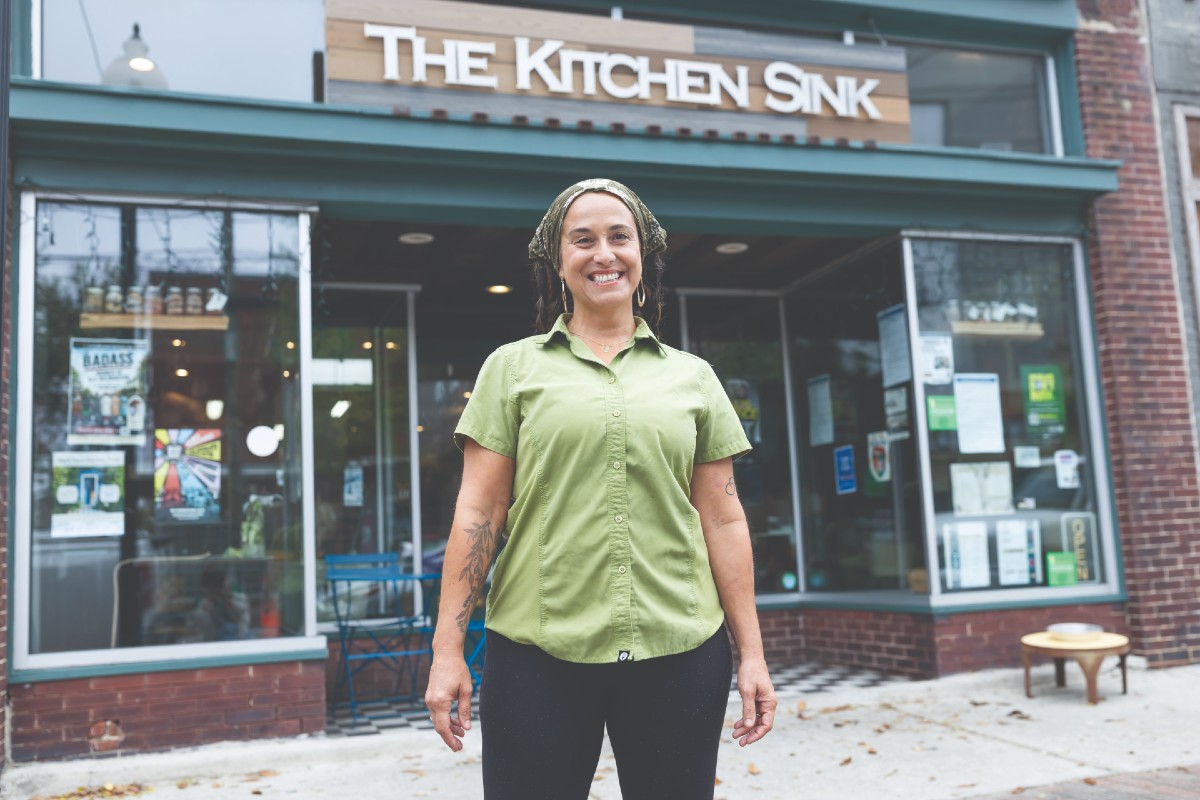
Mitchell is facing many of the same struggles as other restaurants. Despite the challenges, Mitchell said she won’t compromise on food quali...
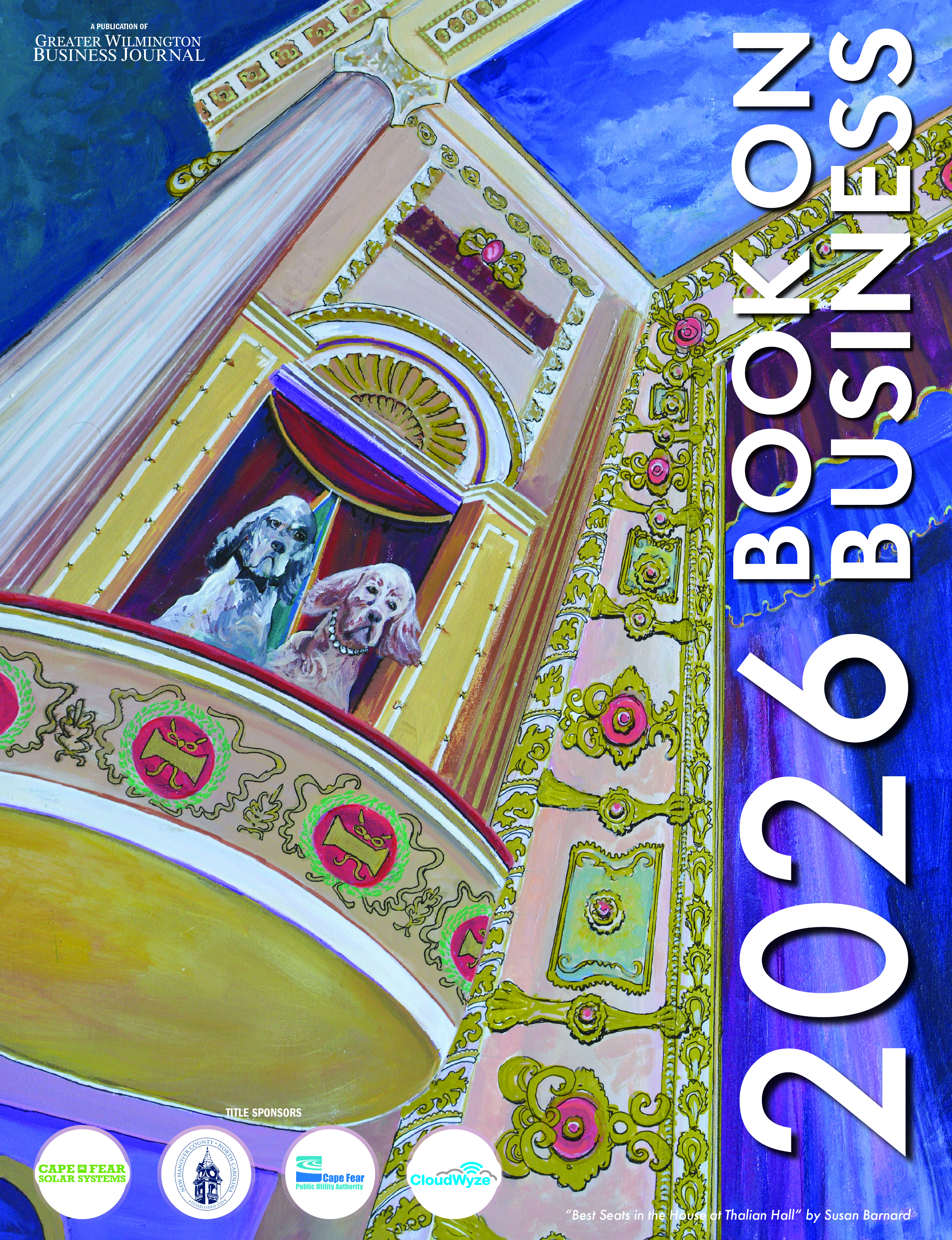
The 2026 WilmingtonBiz: Book on Business is an annual publication showcasing the Wilmington region as a center of business.