When business owners start thinking about the value of their company, the conversation almost always begins with EBITDA.
That's where valuation discussions usually start for good reason. EBITDA is an important measure of financial performance.
But EBITDA tells only part of the story.
After years of working with business owners, I've found that two companies with similar earnings can receive very different offers because buyers recognize strengths that aren't reflected in EBITDA.
Buyers place a premium on characteristics that reduce risk such as recurring revenue, a diversified customer base and businesses that aren't dependent on one person.
Take customer concentration. A profitable company that depends on only a few large customers is going to be a harder sell because the buyer starts asking, "What happens if that customer leaves after closing?"
Owner dependency can have the same effect. Many entrepreneurs build successful companies because they are involved in every important decision. They know every customer, approve major decisions and solve the toughest problems. Buyers want to know that the business can continue to perform if the owner is no longer in the picture.
As I discussed in an earlier Insights article, an earnout can be an effective transition tool when continued owner involvement benefits both parties. But it's even better to build a business that doesn't depend on the owner in the first place. A capable management team and well-documented systems give buyers greater confidence and provide both buyers and sellers with more flexibility when structuring a transaction.
Two companies may have the same EBITDA, but the type of revenue matters. The one with long-term service agreements or subscription revenue is more predictable. Buyers value predictability because it reduces uncertainty about future cash flow.
None of these characteristics changes EBITDA overnight.
Yet every one of them can influence enterprise value.
Too often, the conversation about enterprise value doesn't begin until an owner has already decided to sell and asks, "What can I do to increase the value of my business?"
The problem isn't that these issues can't be addressed. It's that most of them can't be addressed quickly. Customer concentration takes time to reduce. Leadership teams are developed over years, not months. Predictable recurring revenue is usually the result of deliberate business decisions made long before a company goes to market.
Instead of identifying these issues when a business owner sits down with someone like me to talk about selling, they could create enterprise value by having a conversation with a wealth advisor years before they are ready to sell.
These early conversations don't have to be about selling a business. They can begin with a much simpler question:
"If you wanted to sell this business five years from now, what could we begin improving today?"
The answer may be reducing customer concentration or creating more predictable revenue. Sometimes it’s developing the next layer of leadership or ensuring there are SOPs in place. None of those initiatives is particularly complicated, but they require time and intention.
It’s helpful to remember that these improvements create stronger, more resilient businesses regardless of whether an owner plans to sell next year, five years from now or never.
Enterprise value isn't built with a well-crafted story or promotion when a business goes to market. It is built in the years leading up to the transition and the value and probability of a successful transition increase when the right questions are asked earlier.
Read more at carolinabusinessbroker.com.

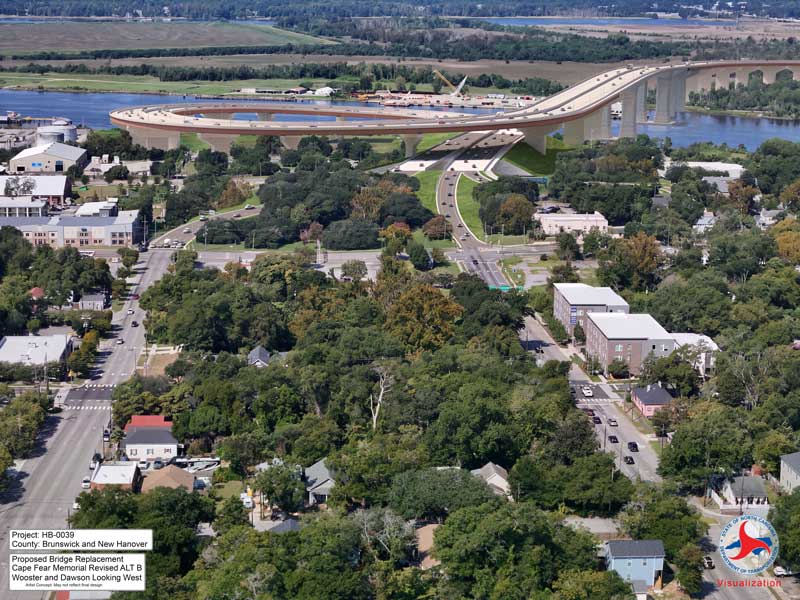
NCDOT Offers Revised Alternative For Cape Fear Memorial Bridge Replacement
Emma Dill
-
Nov 4, 2026
|
|
Tech Wilmington: Upcoming Events Calendar
Staff Reports
-
Nov 4, 2026
|
|
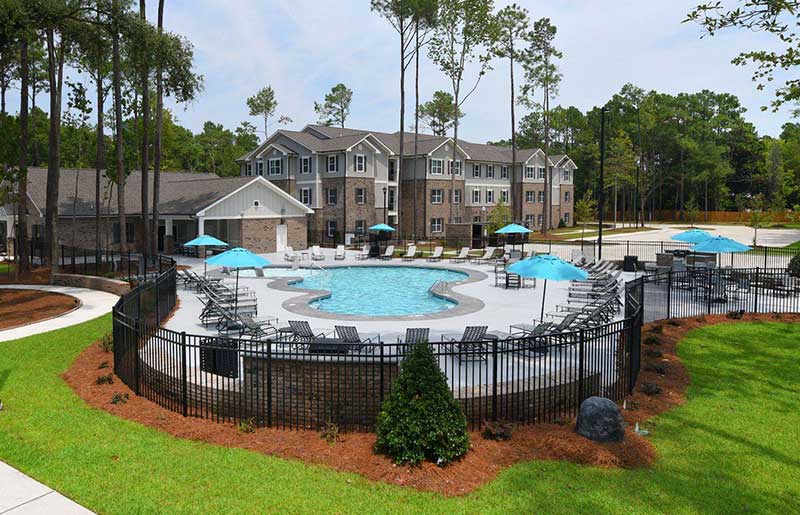
UNCW Buys Apartments Off Randall Parkway For More Than $16M
Emma Dill
-
Nov 2, 2026
|
|
Democrats Sweep NHC Races As $320.5M School Bond Passes
Cierra Noffke
-
Nov 4, 2026
|
|
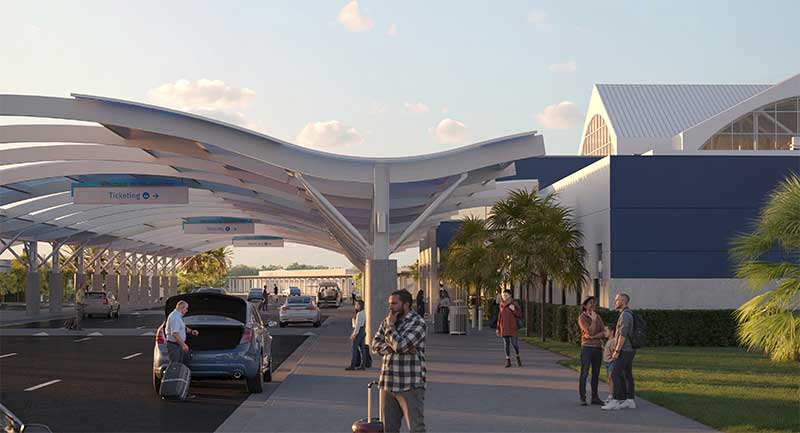
Major Projects Hit Milestones At ILM, Including Parking Garage, Hotel
Emma Dill
-
Nov 3, 2026
|
|

Industry professionals say people seem much more willing these days to travel to the Wilmington area outside of the traditional summer vacat...
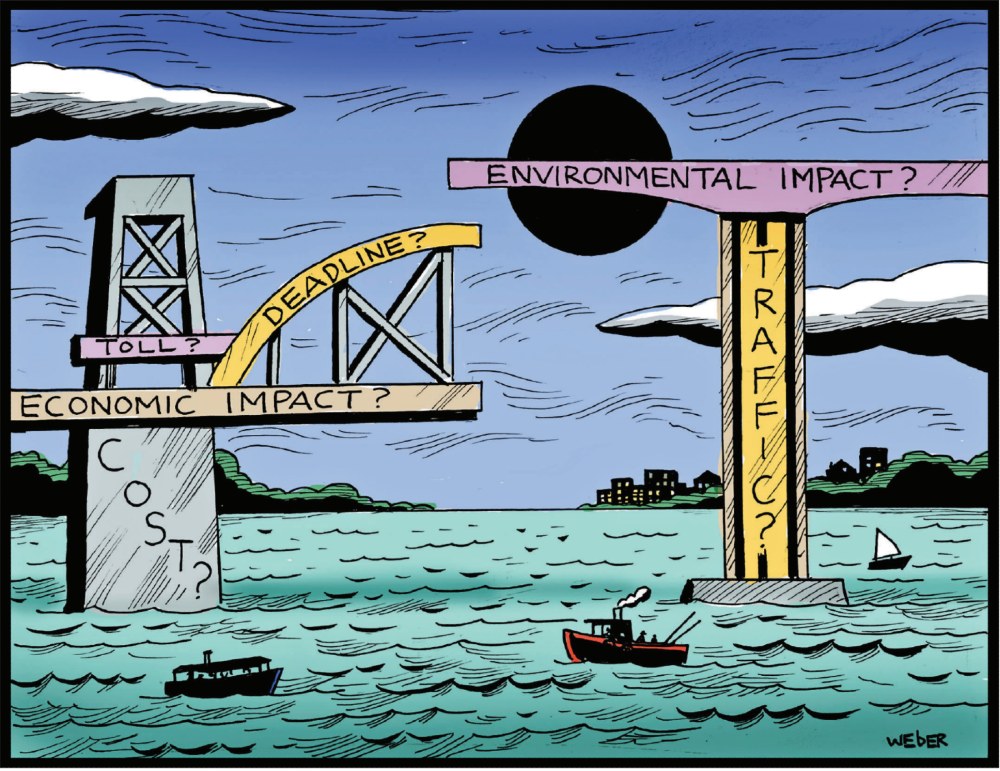
Support for the lower, movable-span bridge dominated spoken comments at the public hearings, and city officials have thrown their support be...
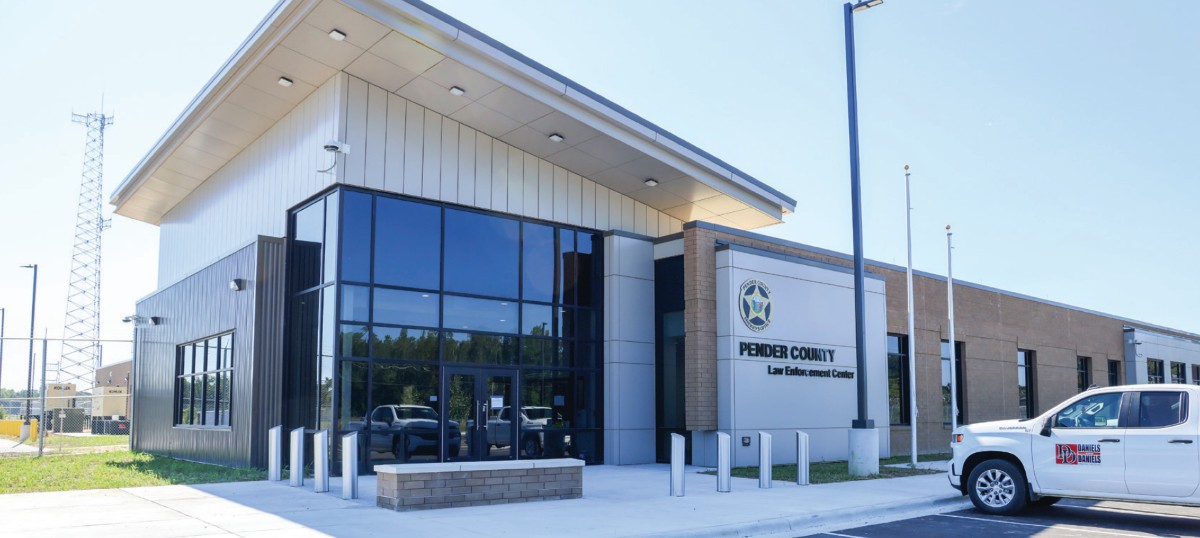
New buildings have opened or will soon open in Burgaw this year to support growing Pender County, including a new law enforcement center and...

The 2026 WilmingtonBiz: Book on Business is an annual publication showcasing the Wilmington region as a center of business.