The hardest decision in AI adoption is not which tool to buy. It is what to do before you buy anything.
For most small and midsize business leaders, the pressure to “do something with AI” has become almost physical. New tools arrive weekly. Peers describe wins. Customers start to ask what the business is doing differently. The temptation, especially under that pressure, is to pick a tool, point it at the biggest pain, and expect time to disappear. In our work with Wilmington-area businesses, the pattern that predicts whether AI delivers measurable returns is almost never which tool was selected. It is whether leadership mapped the work first.
AI Amplifies the Process You Already Have
Automation does not fix a process. It accelerates one. If the underlying workflow is clear, has defined ownership, and produces measurable outcomes at each step, AI compounds those outcomes. If the workflow is undocumented, informally owned, or produces outputs no one can grade, AI will produce the same ambiguous outputs faster, and the ambiguity will quickly become expensive. The first failed AI deployments across the SMB landscape are almost all variations on this theme: the business pointed intelligent automation at work it had never actually described.
Why Small and Midsize Businesses Are Particularly Exposed
Small and midsize businesses sit in a specific blind spot. The organization is too small to have written down every process the way an enterprise is required to, and the owner or senior leader usually carries large portions of the operation in their head. That has been a strength for years. It becomes a weakness the moment AI is introduced, because AI can only automate what it can see. A process that lives only in one person’s judgment is unobservable to AI. The organization ends up with a tool it does not quite know how to apply, running next to work it does not quite know how to describe.
The leaders who get past this inflection point share one habit. Before they introduce AI, they map the work.
What Mapping the Work Actually Means
Mapping the work does not require a consulting engagement. It requires one working session, often two, with the people who do the work. The goal is to describe one real workflow, end to end, in enough specificity that someone outside the business could follow it. Who initiates each step. What systems hold the record. Who owns the outcome. Where handoffs happen. What exceptions get escalated, and to whom. A map produced this way almost always surfaces an uncomfortable finding: the business has been running on more informal knowledge than its leaders assumed. That finding alone is worth the exercise.
Three questions make the mapping concrete.
First, what outcome does this step produce? Not what task is performed. What result is left behind at the end of the step. Steps whose outcomes cannot be named are the first ones to clarify before automation enters the picture.
Second, who owns the record of truth? If the answer is unclear, or if the real record lives in a spreadsheet outside the system of record, that is a process problem AI will not solve. It is a process problem that must be solved first, and then AI can amplify the clarified version.
Third, what would a 20 percent improvement look like, and would we see it? If the current state has no measurable baseline, no amount of automation will produce a defensible ROI. Baseline before you automate, so you can tell the difference afterward.
Automation Is the Last Move, Not the First
Once the map exists and the three questions have been answered honestly, AI becomes genuinely useful. It can take defined work off the plates of the people who have been doing it, follow clear handoffs that were already in place, and produce outcomes that someone can grade. More importantly, the business can distinguish AI’s contribution from noise, which is what sustainable adoption actually requires.
The leaders in this community who are getting disproportionate returns from AI are not the ones who moved fastest to a tool. They are the ones who moved first to understand their own work. The payoff is not just better automation. It is the operating clarity that was overdue regardless.

Report: Brunswick Co. Home Sales Exceed $2.5B For The Year So Far
Staff Reports
-
Oct 30, 2026
|
|
Canapi Ventures Bets On The Future Of Fintech
Cierra Noffke
-
Oct 30, 2026
|
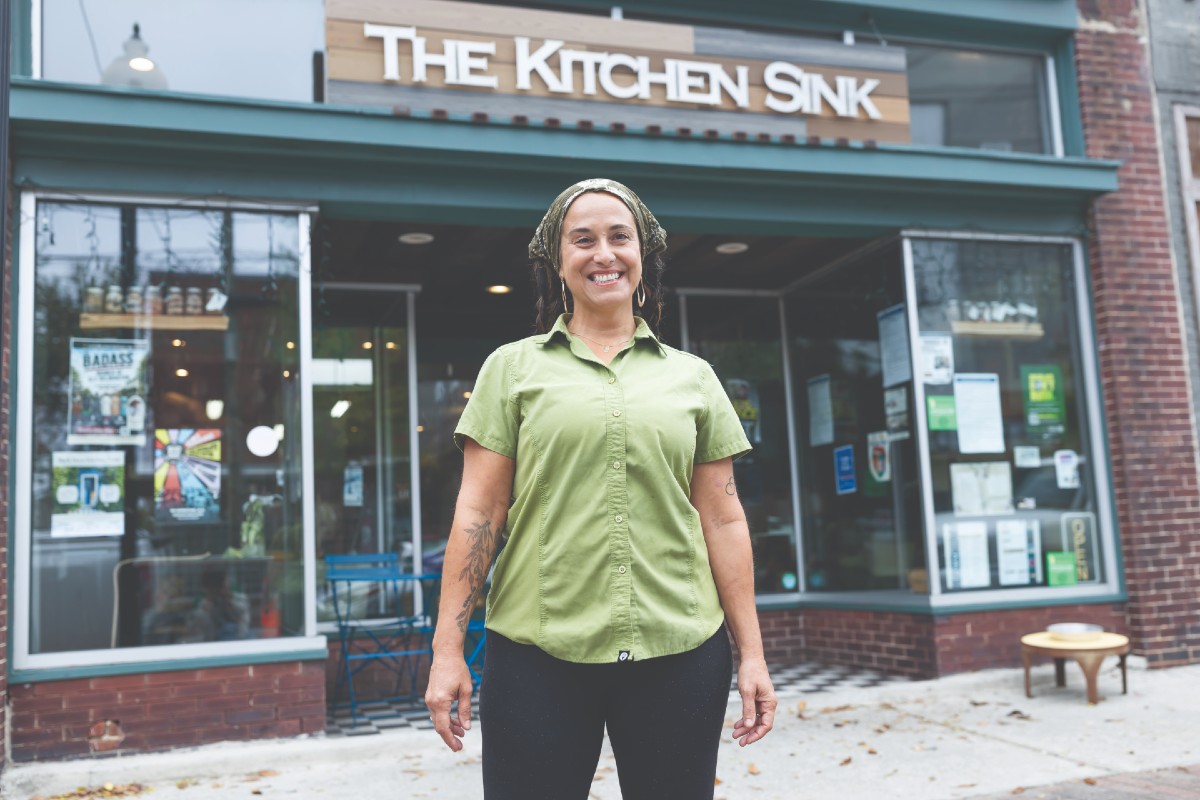
Mitchell is facing many of the same struggles as other restaurants. Despite the challenges, Mitchell said she won’t compromise on food quali...

While downtown also benefits from general fund expenditures, the municipal service district (MSD) “is a way of having some additional money...
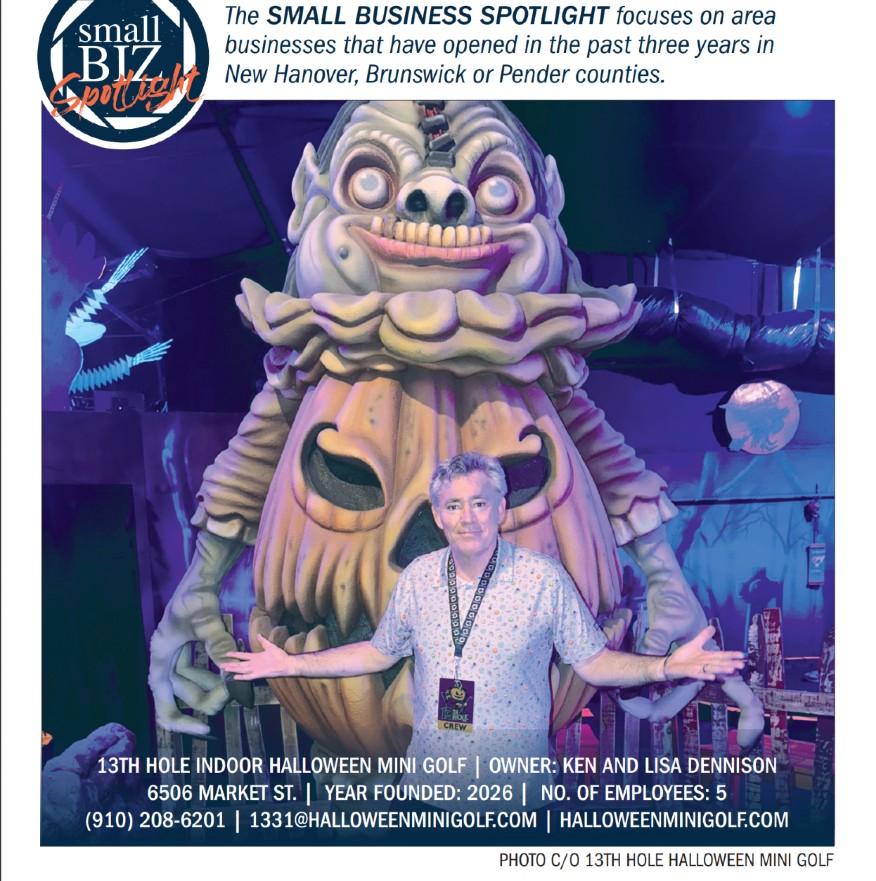
“Our vision is to create a mini-golf experience that becomes a welcoming space for everyone who enjoys a fun adventure with friends and fami...
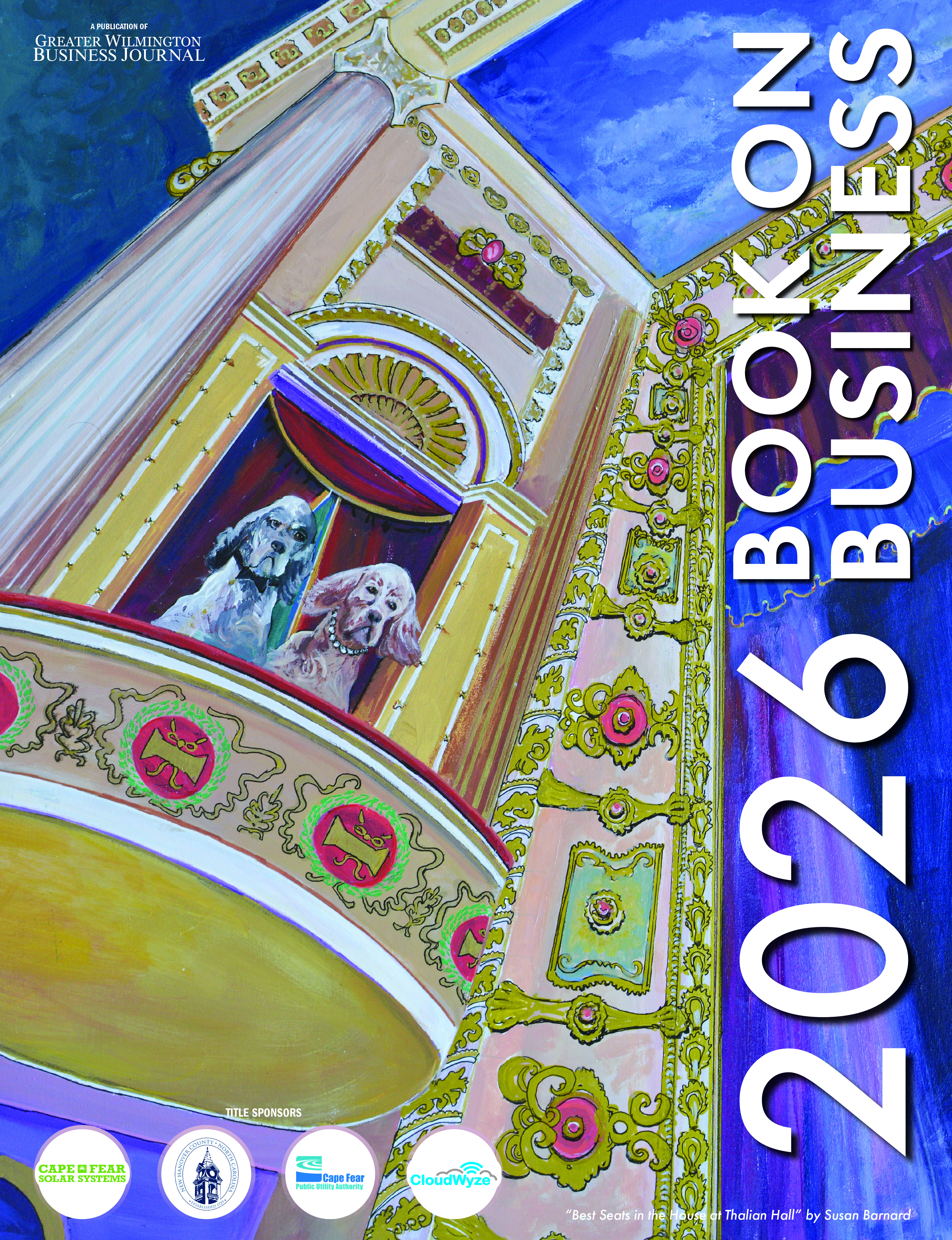
The 2026 WilmingtonBiz: Book on Business is an annual publication showcasing the Wilmington region as a center of business.