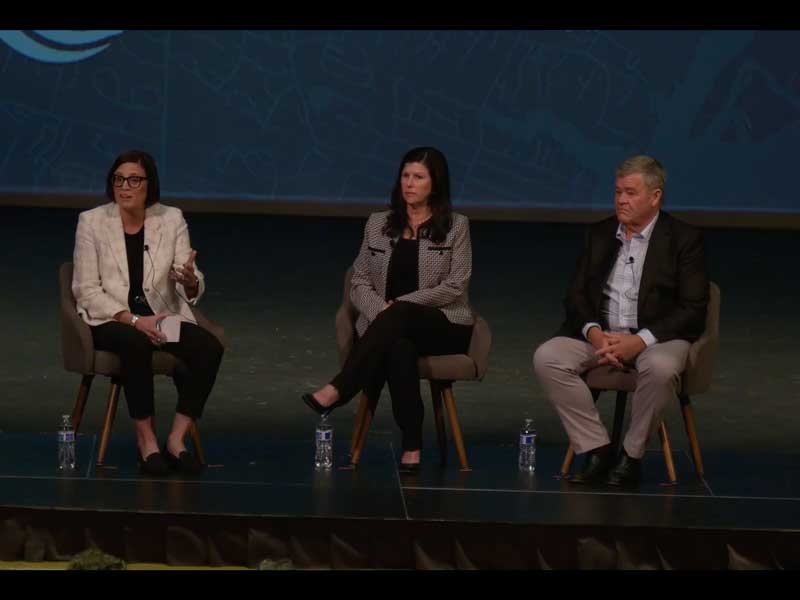
I recently sat down with Richard Stroupe—VC, serial entrepreneur, and host of the Amplified CEO podcast—and before I knew it, we had been talking for over an hour.
Somewhere in that hour, it stopped feeling like a podcast and started feeling like the conversation I wish more business owners were having with their advisors right now.

Over the next decade, an estimated six million businesses representing roughly $14 trillion in enterprise value are expected to change hands. Yet despite the scale of this opportunity, many business owners are not prepared for what comes next.
The challenge isn't a lack of buyers. In many industries, capital remains available, private equity continues to deploy funds, and strategic acquirers are still pursuing growth through acquisition. The challenge is seller readiness.
Most business owners spend decades building their companies and only months thinking about how they will eventually exit.
By the time they begin exploring a sale, they often discover issues that can reduce value, delay a transaction, or prevent a deal from happening altogether. Customer concentration. Dependence on the owner. Incomplete financial reporting. Succession concerns. Unrealistic valuation expectations. None of these issues make a business unsellable, but most cannot be fixed during due diligence. They require planning, often years in advance.
This is where advisors play a critical role.
Bankers, wealth advisors, CPAs, attorneys, and consultants are often the first professionals to recognize when a business owner is approaching a transition. The earlier those conversations begin, the more options the owner has and the more likely it becomes that a successful transaction can occur.
One of the more sobering realities we discussed is that many businesses brought to market never complete a transaction. In some cases, owners are simply unprepared. In others, buyers uncover risks that could have been addressed years earlier. By the time those issues surface, the window of opportunity may already be closing.
The good news is that readiness can be improved. Strong financial reporting, management depth, customer diversification, succession planning, and realistic expectations all contribute to enterprise value and transaction success. More importantly, they can often be addressed before a sale process ever begins.
Richard and I also discussed acquisition entrepreneurship, private equity activity in the lower middle market, AI's growing impact on business operations, and what the coming wave of ownership transitions may mean for business owners and their advisors.
For readers interested in a deeper discussion of these issues, the full conversation is available on the Amplified CEO podcast:
https://www.topsailinsider.com/show/amplifiedceo/tully-ryan/

In Lawsuit, Luxury Homebuilder Accuses Defendants Of Defamation
Cece Nunn
-
Jun 5, 2026
|
|
Endowment Appoints New Community Advisory Council Members
Staff Reports
-
Jun 3, 2026
|
|
From A Grocery Store To Convention Center Growth, Officials Talk Downtown Priorities
Emma Dill
-
Jun 3, 2026
|
|
Endowment Fields Questions On School Bond, Food Co-op Funding At Public Meeting
Cierra Noffke
-
Jun 4, 2026
|
|
Amid Recent Sales, Independence Mall Owner Talks Real Estate Strategy
Emma Dill
-
Jun 4, 2026
|
|

Meet this year's Coastal Entrepreneur Award winners, from manufacturing to technology....

By turning blank business corridor walls into canvases for colorful stories, the Carolina Beach Mural Project gives everyone – locals and to...

Her skin care company, the Unwind Collection by Creatively Covered Co., was developed during the pandemic as a way for her to deal with the...

The 2026 WilmingtonBiz: Book on Business is an annual publication showcasing the Wilmington region as a center of business.