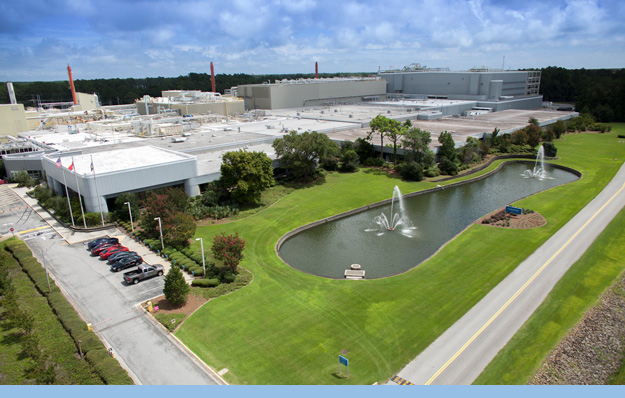
TWO OF THE CAPE FEAR REGION’S LARGEST CORPORATE PLAYERS, Corning and General Electric, arrived during a wave of industrial development in the 1960s.
Others, including a Verizon Wireless call center, pharmaceutical research firms like PPD and Alcami and the background screening company CastleBranch, are more recent arrivals.
All of them have a strong technical focus.
Corning and GE were both recruited in 1966, part of the effort to replace hundreds of railroad jobs that left Wilmington six years earlier. Available land, a strong work force and the Port of Wilmington contributed to these companies’ decisions to locate here, and their plants have evolved along with new product lines.
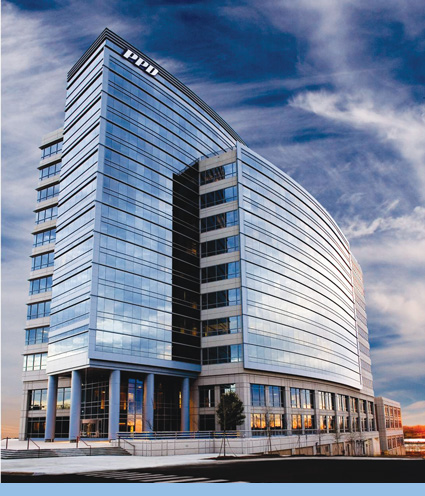
PPD is an example of a homegrown corporation. Launched in 1985 as a one-person consulting firm by Fred Eshelman, PPD is now a multi-billion dollar operation with 18,500 employees in 47 countries. Its downtown Wilmington headquarters has 1,500 employees.
Learn more about Corning, GE and PPD’s ties to the Cape Fear region:
Corning
Corning’s North College Road plant originally employed 250 people making electronic resistors. Corning executives said they chose Wilmington from more than 100 competitors because of its “resourceful and intelligent people,” “community atmosphere and cultural advantages,” and “talented leadership,” according to a 1966 edition of the Wilmington Morning Star newspaper that’s still displayed at the facility.
A decade later, Corning (
above) converted the plant to manufacture its new optical fiber for telecommunications. Today, optical fiber revenue, or around $3 billion. The company doesn’t comment on how many people currently work at the facility.
“The Wilmington region is really strong on multiple fronts,” said Corning plant manager Michele Holbrook said. “The labor pool here is really smart and skillful,” helping Corning meet a commitment to hire locally. UNC-Wilmington and Cape Fear Community College graduates are an important part of Corning’s workforce. And the Port of Wilmington and good highways are necessary to ship the plant’s output.
Corning’s community involvement focuses on STEM education: science, technology, engineering and mathematics. Strengthening K-12 education, Holbrook said, is vital to preparing future high-tech workers. A partnership with middle schools encourages students to pursue science and engineering.
Wilmington is “a very vibrant environment,” in Holbrook’s view. “It helps me not just recruit, but also retain good employees.” Highly trained, highly skilled employees aren’t bound to one place, she said. That means Wilmington’s many assets, such as outdoor recreation, the university and “an entrepreneurial atmosphere” are important to Corning’s success.
General Electric
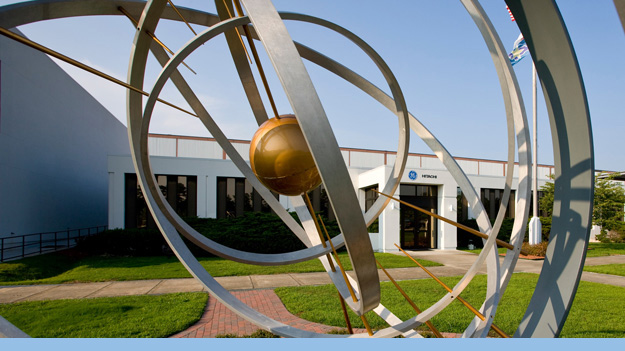
GE built its plant on Castle Hayne Road while the nuclear power industry was growing. When it opened in 1969, it produced nuclear fuel and reactor parts. The company evaluated more than 100 cities for certain factors, including training facilities, workforce, education system and a positive attitude toward industry. GE hired more than 500 local employees and imported 150 more from other company sites.
By the late 1970s, the fuel-manufacturing operation was thriving, but demand for new reactors had ended. GE passed the reactor-parts space to its aviation division, which converted it to make jet engine parts. In 2003, GE moved its nuclear division’s headquarters to Wilmington from California. In 2007, GE Hitachi Nuclear Energy was created.
GE Hitachi and GE Aviation’s 3,000 employees are involved in the community. Every year they volunteer more than 6,000 hours mentoring STEM students and supporting charities, and donate more than $400,000 to United Way of the Cape Fear Area’s annual campaign.
PPD
As PPD thrived, the coastal area’s attractions have helped the company recruit nationally and retain good employees, said Ed Murray, PPD’s vice president of human resources.
He cited assets such as a college town’s cultural benefits and the “wide range of living choices here” from downtown and rural spreads to beaches and gated communities.
Wilmington’s airport “serves us well,” Murray said, connecting with customers and branch offices worldwide. Interstate 40 is helpful, he added, “because of our adjacency to the Triangle area, just two hours away,” home to another large PPD office.
Being downtown has been good for the company’s culture, Murray said. Early on, Eshelman “really liked the vibe of having his business in a downtown environment.” After outgrowing its downtown space and scattering to suburban offices, PPD came back downtown in 2007. “We didn’t put an elaborate restaurant or cafeteria in our space, by design,” Murray said, encouraging employees to get out of the office at lunchtime. “I think our employees are delighted to be downtown.”
PPD, he added, is recognized for supporting its home community, both through “targeted philanthropy” and employees who are encouraged to do volunteer work.
- John Meyer