Your local governments are currently spending $36 million to fight the opioid crisis, and it’s not coming out of your local tax bill. Since we began deploying this money, overdose deaths have begun to decline. What prevention and treatment can we now offer, and how did we get the resources to do it?
Our local strategy so far has been twofold: (1) expand treatment and prevention services we know work, and (2) invest in new approaches that show promise but need proof before earning long-term taxpayer support. These funds let us test new ideas now, and if they work, make them part of a recurring public health budget. This is what it looks like to treat addiction as a public health issue and to invest in solutions that save lives.
It would be impossible to make an exhaustive list of the people and institutions in our community who are building the prevention and recovery network. But I want to share with you some of the breakthroughs that we know are working and what we’re exploring in terms of emerging treatments and trends.
We’re focusing on closing the gaps people are most likely to fall through. That means making sure someone who survives an overdose doesn’t leave the hospital without a clear path to treatment. Through a $292,000 investment, Novant Community Paramedics are stepping in during that critical window, connecting patients to medications like buprenorphine and helping bridge the average 2.45-day gap between discharge and outpatient care.
Tides Recovery Housing is helping 14 mothers and their babies stay together with safe, stable housing as the mothers continue opioid use disorder treatment, with 24/7 on-site staff. $540,000 in FY27 will expand those services by hiring a licensed clinical addiction specialist, supporting pay raises and funding rental assistance for program graduates. These programs recognize that recovery doesn’t happen in isolation; it happens in the context of safe housing, family stability and consistent support.
At the same time, we’re thinking about how the justice system supports recovery. Expanding medication-assisted treatment at the county jail, with funding increasing to $363,956, allows inmates awaiting trial or serving a brief sentence to continue or begin medicated treatment while incarcerated.
And we’re investing in what could work next. OpiAID is a data science company exploring how biometrics can quantify withdrawal symptoms to build personalized treatment plans. A $250,000 grant will equip Coastal Horizons patients with a device that can track indicators like heart rate and temperature and allow providers to intervene earlier and tailor treatment to each individual.
In the coming fiscal year alone, nearly $3 million will be directed to the prevention and treatment of opioid use disorder. With this funding cycle, total expenditures will reach $13,748,794. By the end of FY39, that investment will grow to more than $36 million, with every dollar dedicated specifically to fighting the opioid crisis. These monies are separate and in addition to the county’s annual health department budget.
So where did this money come from?
About a decade ago, states, counties and municipalities (including Wilmington) filed lawsuits against the opioid industry: manufacturers, distributors and pharmacies. These companies were accused of making billions by downplaying addiction risk and encouraging higher dosage and use. Patients became addicted, and when prescribing practices were regulated and tightened, many people who had developed opioid use disorder had no lawful means of getting the medicine to which they’d become addicted. Too many turned to the illicit street market, where they encountered dangerous drugs like heroin and fentanyl.
Meanwhile, local governments were left to shoulder the growing costs of emergency response, treatment and public safety. As courts began ruling against the drug companies and large jury verdicts loomed, companies agreed to nationwide settlements rather than continue years of litigation.
North Carolina’s settlement agreement was finalized in 2022, and New Hanover County and Wilmington received their first settlement payments in 2023, continuing with annual compensation through 2039.
Funds from the settlement are legally restricted; local governments must spend them on prevention, treatment and recovery. It cannot be spent on a new war on drugs, with terms that prevent merely funding the arrest of addicts rather than treating a disease.
The city and county were separate parties in the litigation, and North Carolina law assigns us different levels of authority and responsibility for public health. But we’ve combined our pots of settlement money to deploy funding strategically and reduce the bureaucracy of getting it out the door to providers.
At the height of this crisis, the U.S. saw 107,941 overdose deaths per year. That translates to 110 deaths in New Hanover County annually.
Today, these numbers are dropping: 85 overdose deaths in 2023, 75 in 2024, 37 in 2025 (with data through October).
The progress we’re seeing is real, and we have a responsibility to build on it. If you or a loved one is in recovery, keep fighting. We see you. This community is behind you. We’re committed to doing this work the right way: expanding what’s working, improving what isn’t and making sure help is available if you need it. Start here at this website: helprightherenhc.org.
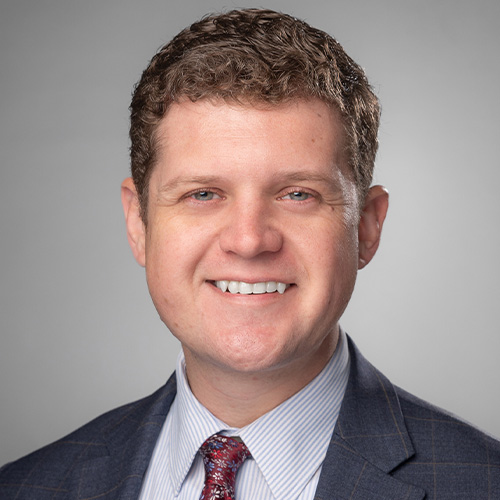
David Joyner has served on the Wilmington City Council since 2023. He is the current chairman of the Wilmington/New Hanover County joint committee on opioid settlement proceeds, serving alongside New Hanover County Board of Commissioners Chair LeAnn Pierce and county commissioner Dane Scalise.
See other stories on Law:
Lawsuit Continues Over PFAS Impacts
Opinion: Opioid Funds Driving Real Change
Attorney Gets Law of the Land
Area Attorneys Chosen for 2026 Legal Elite List
Area Attorneys Chosen for 2026 Super Lawyers List
Attorneys Carve Out Legal Niches