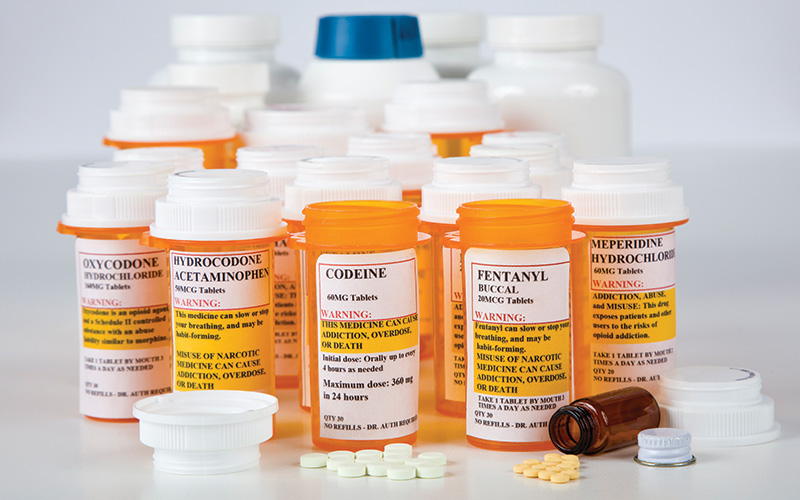
Local leaders in Wilmington and New Hanover County have been working together to allocate money from two nationwide opioid settlement agreements brought by state and local governments against drug distributors and manufacturers.
In the past four years, state Attorney General Josh Stein has announced $56 billion in national settlements with opioid companies to go to communities harmed by the opioid epidemic, including $1.5 billion to North Carolina, according to the state’s opioid settlement website.
The city of Wilmington was expected to receive $1.4 million while New Hanover County was allocated nearly $34 million, both sums to be paid between 2022 and 2038, the website states. The city and county have combined the funds and are working together on the effort through an interlocal agreement.
“The opioid issue in our city and county is not good, and the city and county understand this is an issue that affects us all,” Wilmington City Councilman Luke Waddell said.
In 2021 and 2022 countywide, officials reported 96 and 110 opioid-related deaths, respectively, Waddell said. January through March 2023 data showed a similar trend with 22 opioid-related deaths, roughly three times the national average. In 2021 and 2022 in the county, there were 593 and 571 opioid overdoses.
Last year, officials created the joint city-county opioid settlement committee allowing key city and county staff and elected officials to discuss deploying settlement funds in a direct and strategic manner. City and county staff members brought recommendations forward to the elected committee.
Once the elected committee approved those recommendations, the city and county elected bodies made them official to begin deploying settlement proceeds. Three efforts guiding the allocation of the funds are education and outreach, access to services and treatment and sustainable recovery and well-being.
Waddell said that flexibility is paramount in the early years of the settlement allocation, along with reviewing what is working and what is not and making funding changes based on data. In March, Waddell said a meeting is scheduled in the coming weeks to review the data and the staff recommendations and to vote on fiscal year 2025 allocations.
“We have some phenomenal local nonprofits and robust funding that we can leverage and have plans to do so over the next five years,” he said.
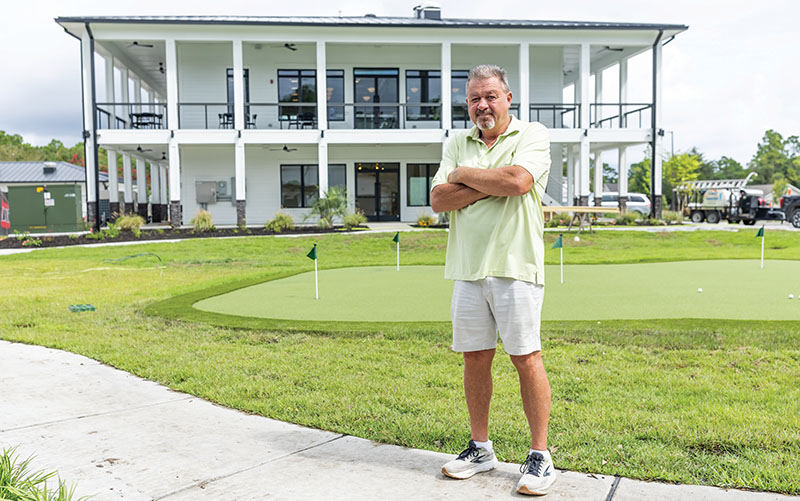
Brian Mingia, executive director of The Healing Place, the only program in the region that offers detox, emergency shelter and long-term residential recovery at zero cost to the individual, said he expects to receive $1.1 million for fiscal year 2025 from New Hanover County with the city of Wilmington’s support.
“Our program exists to confront the area’s addiction crisis,” Mingia said. “Since the beginning, the New Hanover County manager, and the office that position serves, had a dedicated focus on establishing a long-term social model recovery program in the Wilmington area. County government leaders committed to providing the financial capital needed to plan for and build our facility. We have a contract with New Hanover County to fund 50 beds annually in our long-term residential program.”
The Healing Place opened its doors Feb. 1 last year, and in its first year, the facility served over 2,200 individuals. Mingia said he is currently exploring options to provide post-program housing for individuals who have completed the program.
“Our largest struggle right now is finding suitable options for affordable housing. We have dedicated transitional care coordinators on staff who help connect our clients with housing resources once they complete the program,” Mingia said, “but there is more to be done to bridge the gaps that exist in affordable sober living in the community.”