In an age of instant answers, it’s tempting to treat Artificial Intelligence (AI) like a digital law clerk. With a few prompts, you can generate a Last Will, a Trust, or a Business Contract in seconds. It’s fast, cheap, and looks professional.
But there is a critical difference between a document that looks legal and one that is legally sound.
As AI becomes more embedded in everyday life, one warning must be clear: AI is not a lawyer. Using it to draft important legal documents without professional oversight is a gamble—where the stakes are your assets, your legacy, and your family’s peace of mind.
The Hidden Trap: Errors, “Hallucinations,” and Outdated Law
AI models generate text based on probability—not verified legal accuracy. They do not reliably confirm current laws or jurisdiction-specific requirements.
State-Specific Hazards: Law varies widely by state. A valid Will in Florida may fail in California due to different execution requirements. AI often blends rules from multiple jurisdictions, creating a document that may be ruled invalid.
Legal “Hallucinations”: AI may fabricate case law or cite statutes that don’t exist. In a contract, a single faulty clause—especially around liability or dispute resolution—can eliminate critical protections.
The Problem with Wills and Trusts
When AI is used for estate planning, mistakes are typically discovered only after death—when they can no longer be corrected.
Ambiguous Language: Legal terms like “per stirpes” or survivorship distribution require precision. Small drafting errors can lead to conflict and costly litigation among heirs.
Execution Requirements: A Will must meet strict formalities, including proper witnessing and notarization. AI cannot ensure compliance with these real-world requirements, risking invalidation.
The Problem with Contracts
AI-generated contracts often appear complete but lack real-world foresight.
Missing Protections: AI cannot assess your specific risks. It may produce generic terms but omit essential safeguards, such as tailored indemnity clauses or industry-specific provisions.
Unenforceable Language: Many AI outputs rely on outdated or overused boilerplate clauses that courts may reject, weakening the entire agreement.
Why AI Cannot Replace Legal Advice
The biggest limitation of AI is not data—it’s the absence of judgment. An attorney provides more than a document; they offer advice, strategy, and accountability.
1. Holistic Strategy
A lawyer considers your full situation—finances, relationships, and long-term goals. You may think you need a simple Will, but a lawyer may identify that a Trust better protects your estate or avoids probate.
2. Identifying the “Unknown Risks”
AI responds only to what you ask. If you don’t know to raise issues like tax exposure or enforceability concerns, they won’t be addressed. A lawyer anticipates problems you didn’t know existed.
3. Accountability and Protection
If AI makes a costly mistake, you have no recourse. An attorney is bound by ethical standards, carries professional liability insurance, and has a fiduciary duty to act in your best interest.
4. The Human Element
Legal decisions are often personal. Whether planning your estate or launching a business, these moments require empathy and nuance—something AI cannot provide.
The Verdict
AI is a powerful research and drafting tool—but a dangerous substitute for legal counsel. It can assist, but it should not decide.
Think of it like a medical website: useful for information, but not for performing surgery.
Don’t risk your legal future on an algorithm. If you are considering drafting a Will, Trust, or business agreement, the attorneys at Rountree Losee, LLP are here to help ensure your documents are tailored, compliant, and built to protect what matters most.
Schedule a consultation today at www.rountreelosee.com and gain the confidence that comes from experienced legal guidance.


The Takeaway: Disc-o Fever
Staff Reports
-
Oct 2, 2026
|
|
Investors Buy Leland Apartments In Nearly $58M Deal
Staff Reports
-
Oct 2, 2026
|
|
Big Projects Having Or Set To Have Major Local Impacts
Emma Dill
-
Oct 2, 2026
|
|
Comfort Food In Burgaw
Beth A. Klahre
-
Oct 2, 2026
|
|
Trends To Watch: Economic Development
Emma Dill
-
Oct 2, 2026
|
|
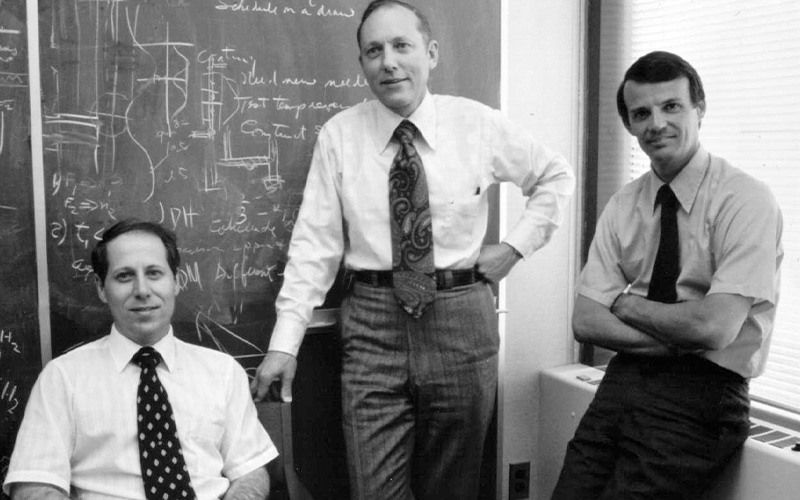
Glass, specifically optical fiber, has become integral to the expansion of the internet and AI infrastructure. And Corning Inc., a leading g...

One of the clubs in Wilmington has 11 indoor pickleball courts, four covered, lighted outdoor courts, two new clay tennis courts, an outdoor...

Dan Brawley, head of the Cucalorus Film Festival and founder of Jengo’s Playhouse, recently discussed the venue’s year-round efforts and thi...
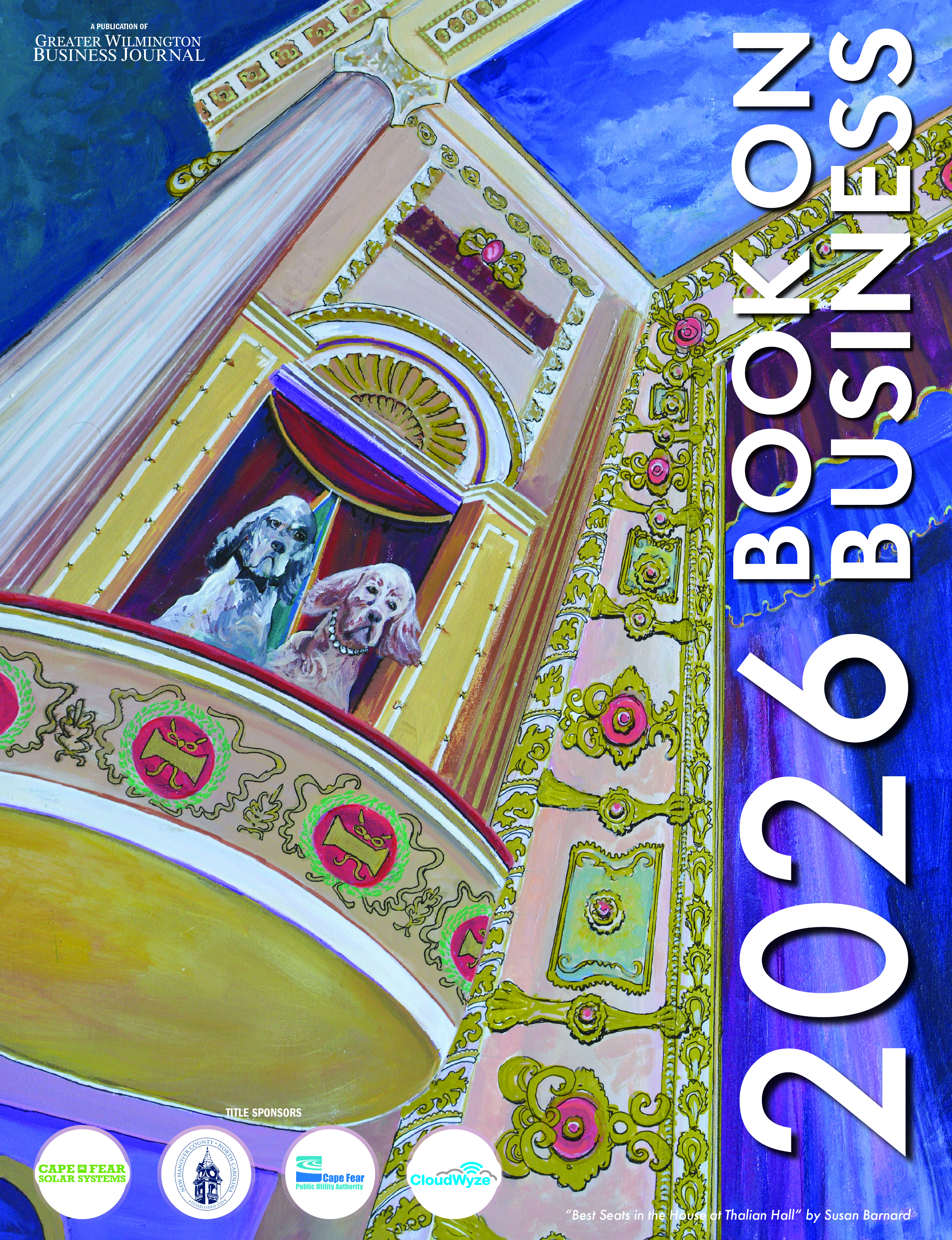
The 2026 WilmingtonBiz: Book on Business is an annual publication showcasing the Wilmington region as a center of business.