Local governments often talk about getting ahead of growth. Doing it is harder.
More often, development arrives first. Homes are built. Businesses look for sites. Then residents, elected officials and public agencies begin asking how roads, schools, utilities and other services will keep pace.
We know that pattern well. Growth can create demand for infrastructure after many of the choices about where and how development occurs are already underway.
The recently completed Last Frontier Water and Sewer Project began with a different choice.
Nearly four years ago, the New Hanover County Board of Commissioners decided to put a key piece of infrastructure in place before the investments it could support had arrived.
Counties in North Carolina do not control every piece of infrastructure that shapes growth. We do not build or maintain the state road network, for example. But counties can play an important role in water and sewer infrastructure. Those investments influence where growth is possible and how it takes shape.
That was the opportunity in northern New Hanover County.
While much of our community is served by the Cape Fear Public Utility Authority, portions of northern New Hanover County have continued to rely on private wells and septic systems. That has created challenges for existing residents and limited the choices available for the future of the area.
Water quality is one concern. Residents relying on wells have faced uncertainty about PFAS contamination linked to discharges from the Chemours Fayetteville Works facility. Litigation continues over responsibility for that pollution. For families relying on wells, the immediate question is much simpler: is their drinking water safe?
There is also the question of what kind of development is possible without the infrastructure to support it.
Without public water and sewer, growth can be more fragmented and harder to plan around. Infrastructure does not decide what gets built. It gives the community more ability to plan where growth occurs and how it can be supported.
Extending water and sewer was not an approval of any particular development. Nor did it decide exactly what northern New Hanover County should become. It kept more of those choices open for the county and community instead of waiting for development to dictate the infrastructure response.
In September 2022, the county and CFPUA approved an interlocal agreement that moved the project into design and established a path toward construction. That agreement became the foundation for getting the work done.
The county and its partners also worked with the state to secure financial support. In October 2023, the state awarded $27.5 million toward the project. That support kept the full cost from falling on existing CFPUA customers.
The result is more than 18 miles of new water and sewer infrastructure along Holly Shelter, North College, Blue Clay and Sidbury roads and in the Greenview area. It expands access across nearly 8,000 acres.
The Board of Commissioners chose to act before the future choices for this part of the county were made for us.
Turning that policy choice into working infrastructure required each partner to carry a different responsibility.
CFPUA brought the expertise to design, build and operate the system. The county established the priority and put public resources behind it. State support allowed the work to proceed at a scale that would not otherwise have been practical without significantly affecting existing ratepayers.
Each had a distinct role. The project required all three.
Communities understandably expect growth to come with the infrastructure needed to support it. Too often, development comes first and government tries to catch up. Last Frontier gives New Hanover County a different starting point.
The pipes are now in the ground. What happens above them will be determined over time through private investment, land-use decisions and future policy choices. Those decisions can now be made with infrastructure already in place.
There is still work to do. Some homes in New Hanover County remain without access to public water and sewer. Extending service will continue to require careful decisions about cost, need and public benefit.
Last Frontier does not tell us exactly what northern New Hanover County will become. It gives us a better opportunity to decide what we want it to become and to plan accordingly.
Sometimes shaping what happens on the surface begins with what we are willing to put underground.


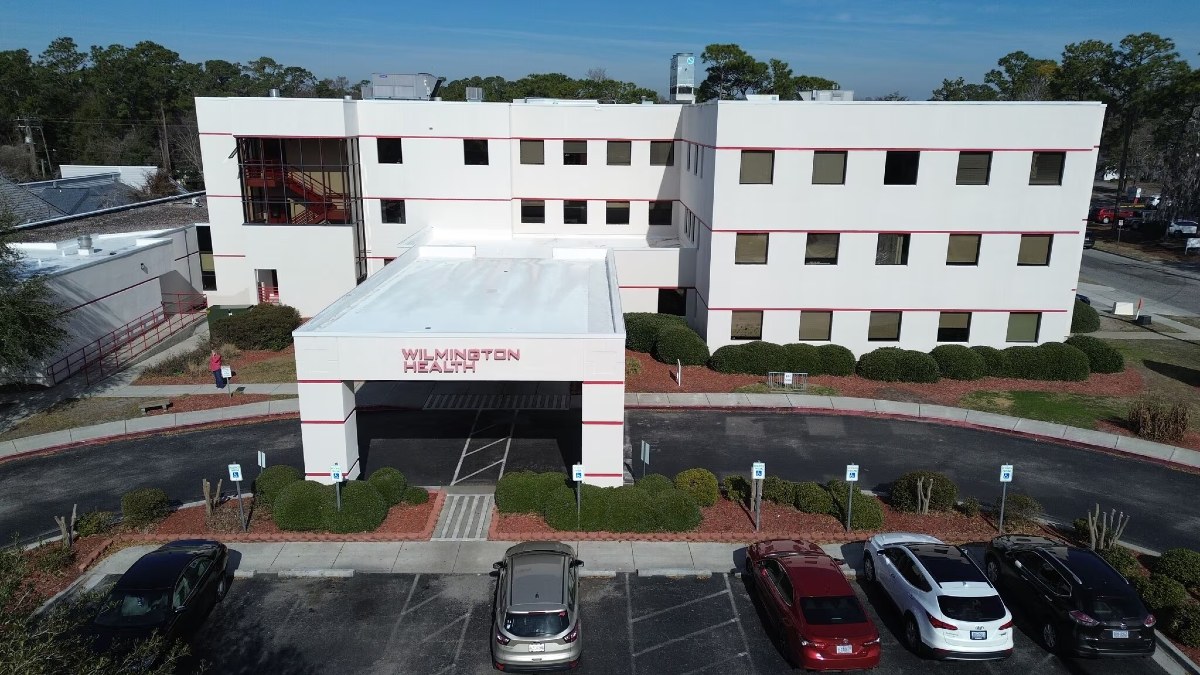
Wilmington Health Facility Sells For $9.4M
Cierra Noffke
-
Oct 26, 2026
|

Among the races this year is the contest between incumbent Sen. Michael Lee, R-New Hanover, and newcomer Jessica Bichler for N.C. Senate Dis...
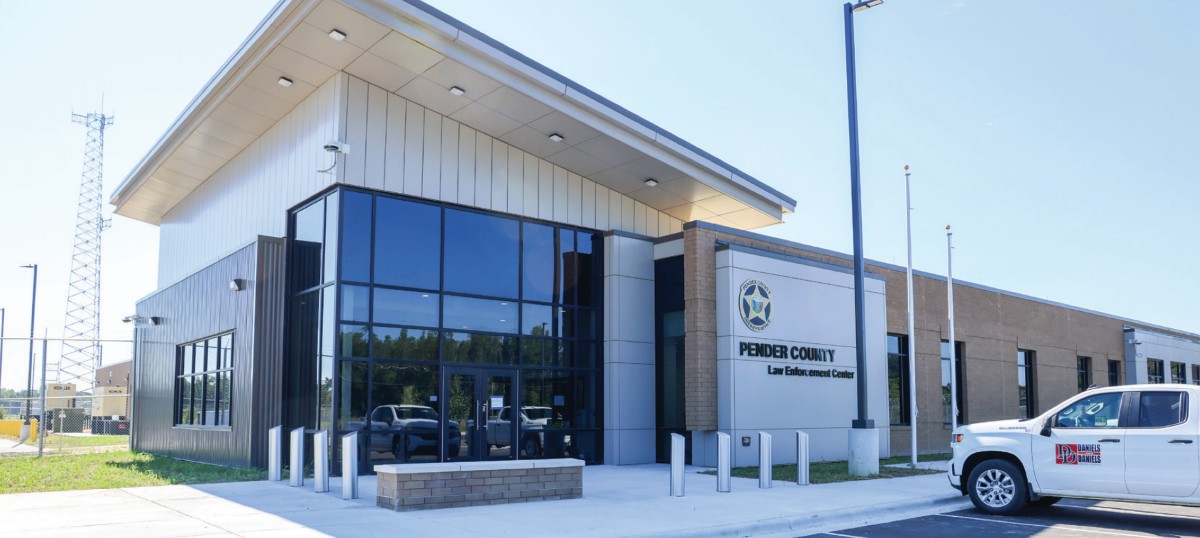
New buildings have opened or will soon open in Burgaw this year to support growing Pender County, including a new law enforcement center and...
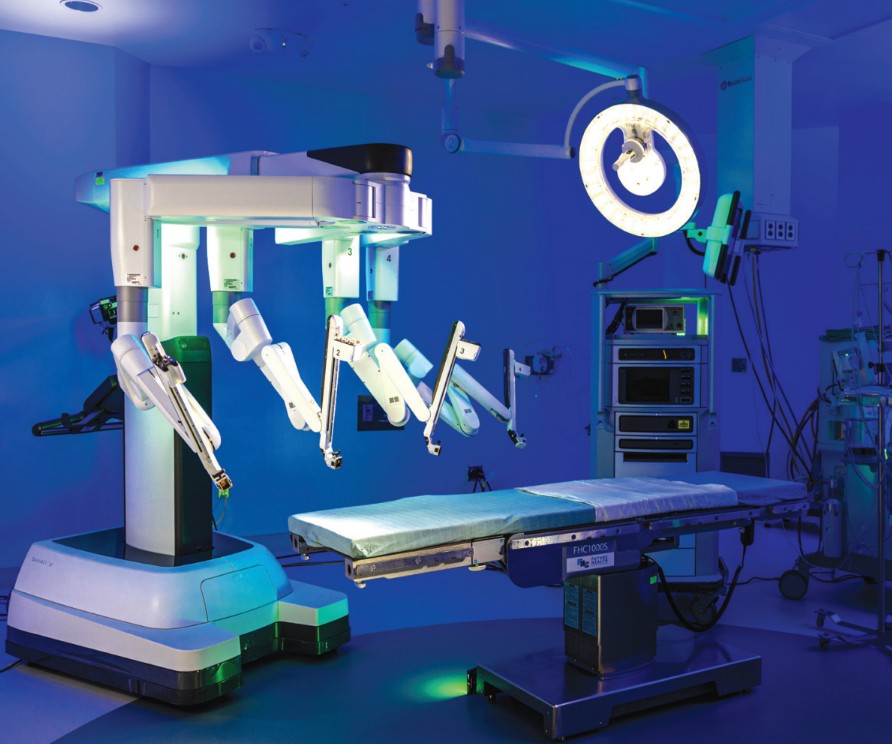
A CON law prohibits healthcare providers from building certain medical facilities, developing new health services or acquiring certain medic...

The 2026 WilmingtonBiz: Book on Business is an annual publication showcasing the Wilmington region as a center of business.