When an emergency occurs, most people assume the greatest threat is the event itself. Whether it’s workplace violence, an active threat, a medical emergency, a fire, or another crisis, attention immediately focuses on the incident. However, the reality is that the greatest challenge during the first 60 seconds is often not the emergency—it is the human response to it.
In those first moments, confusion becomes the enemy.
People freeze. Communication breaks down. Employees look to one another for direction. Information begins spreading without verification. Panic moves faster than facts. While some individuals may instinctively take action, many others hesitate because they have never been trained to perform under stress.
Someone yells, “Run!”
Someone else says, “Lock down!”
Another person points in a different direction.
Suddenly, employees are reacting to multiple commands, conflicting information, and heightened emotions rather than executing a coordinated response. Valuable seconds are lost, and in an emergency, seconds matter.
This is why Fully Loaded Defense focuses heavily on training individuals and organizations to perform during the first 60 seconds of an incident. We understand that people rarely rise to the level of their policies during a crisis—they fall back on their level of training.
Most organizations have emergency action plans sitting in binders, shared drives, or employee handbooks. While policies are important, policies alone do not prepare people to act under pressure. Preparation comes from training the mindset, building confidence, and developing practical skills that can be applied when stress levels are at their highest.
At Fully Loaded Defense, we teach individuals how the mind and body respond during critical incidents. Participants learn about stress responses, including fight, flight, freeze, and fawn reactions. Understanding these natural physiological responses allows individuals to recognize what they may experience and develop strategies to manage them.
We train employees to shift from panic to purpose.
Rather than becoming overwhelmed by uncertainty, participants learn how to quickly assess their environment, identify threats, communicate effectively, and make decisions based on available information. We teach individuals to focus on what they can control instead of becoming consumed by what they cannot.
Mindset training is a critical component of our programs because confidence is built before the emergency, not during it.
Through realistic discussions, scenario-based learning, team exercises, and practical application, participants develop the mental framework needed to stay calm, think clearly, and take decisive action. We help individuals understand that leadership is not always tied to a title. During an emergency, anyone may need to communicate critical information, guide coworkers to safety, or assist others in making good decisions.
Beyond mindset, Fully Loaded Defense emphasizes action.
Participants learn how to communicate under stress, how to recognize developing threats, how to coordinate with coworkers, and how to execute emergency response procedures with confidence. They practice making decisions in dynamic situations and learn how teamwork, communication, and accountability contribute to a successful outcome.
Our training also reinforces situational awareness and prevention. Many emergencies provide warning signs long before the incident occurs. Employees learn how to identify concerning behaviors, recognize potential threats, and communicate concerns before a situation escalates into a crisis.
The organizations that perform best during emergencies are not necessarily the organizations with the most policies. They are the organizations that have invested in developing prepared people.
Prepared people communicate better.
Prepared people make better decisions.
Prepared people support one another under pressure.
Prepared people become part of the solution instead of part of the confusion.
Whether you are an owner, manager, supervisor, or employee, the question is not whether an emergency will happen today. The question is whether your team is prepared to respond effectively if it does.
At Fully Loaded Defense, we help organizations bridge the gap between policy and performance by providing practical, hands-on training that develops confidence, communication, leadership, and decisive action. Because when the first 60 seconds arrive, preparation is what transforms uncertainty into purposeful action.
The real question is: Are you prepared?
Read more at fullyloadeddefensellc.com.

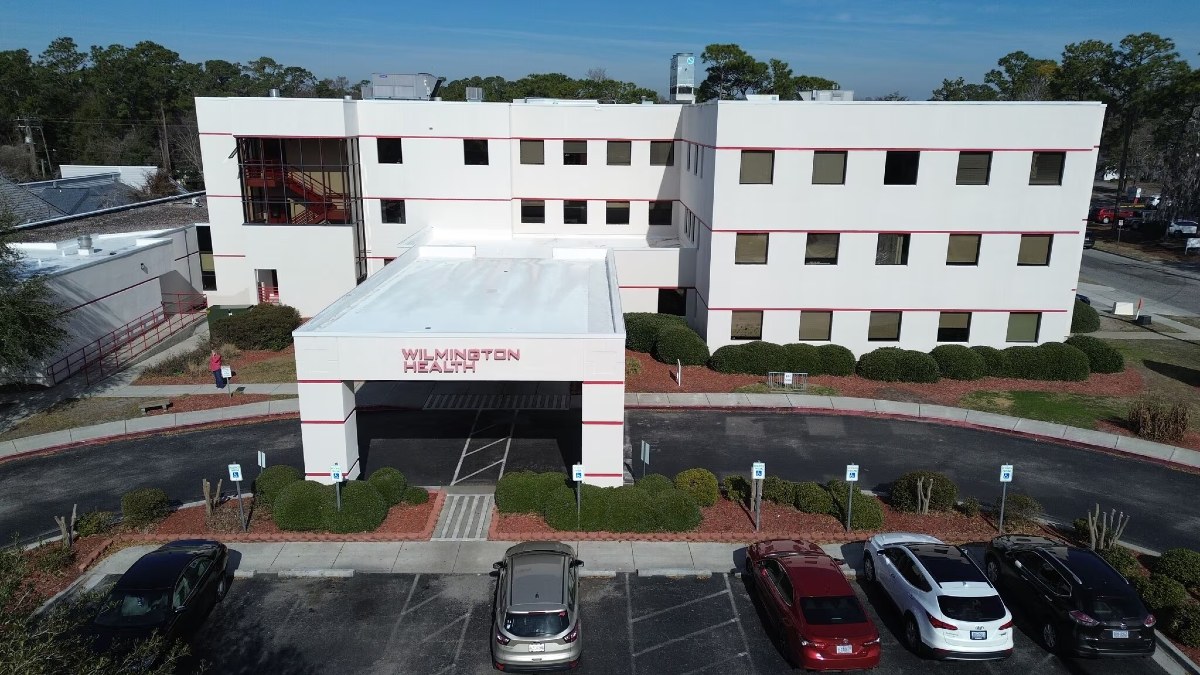
Wilmington Health Facility Sells For $9.4M
Cierra Noffke
-
Oct 26, 2026
|

Mitchell is facing many of the same struggles as other restaurants. Despite the challenges, Mitchell said she won’t compromise on food quali...
Candidates vying to represent local districts in the N.C. House of Representatives answer questions on timely topics....
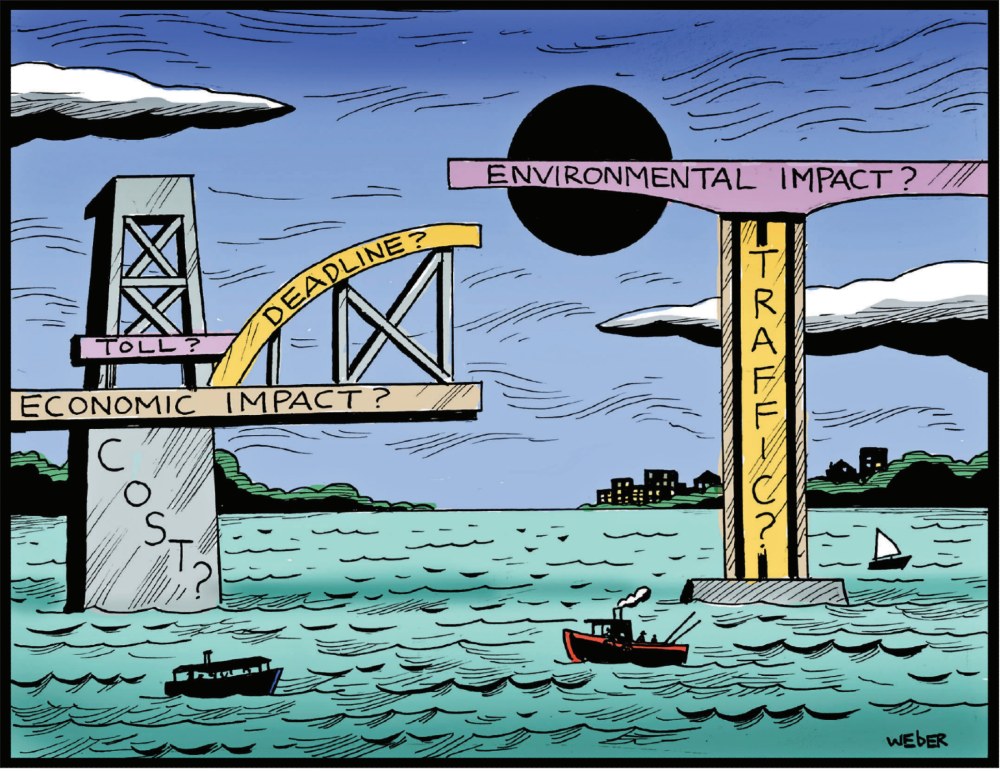
Support for the lower, movable-span bridge dominated spoken comments at the public hearings, and city officials have thrown their support be...

The 2026 WilmingtonBiz: Book on Business is an annual publication showcasing the Wilmington region as a center of business.