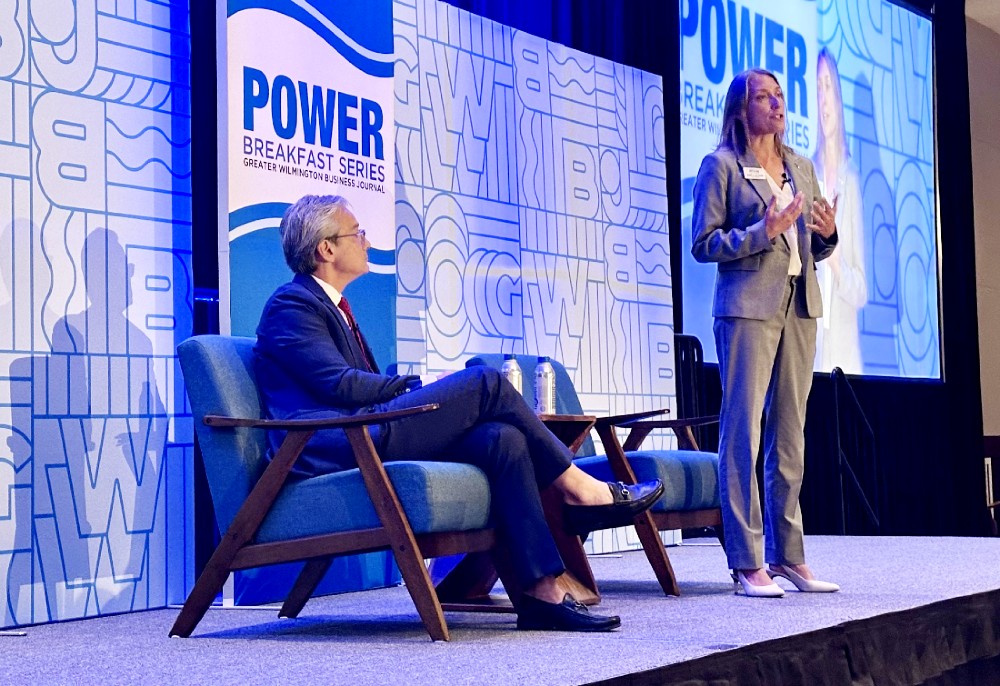
Candidates vying to represent local districts in the N.C. House of Representatives recently answered questions on timely topics impacting the area.
HOUSE DISTRICT 18
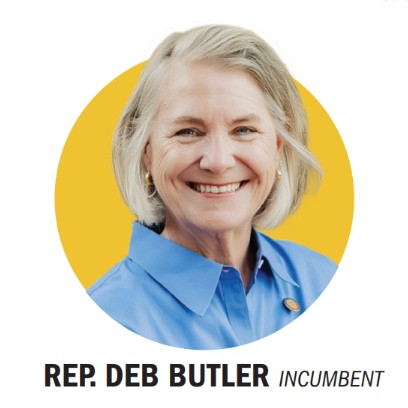
REP. DEB BUTLER
Occupation: Managing Partner/The Butler Firm PLLC (retired); NC State Representative/House District 18
 Political experience:
 NC State Representative House District 18 (2017-present); Have Served as both Democratic Whip and Chief Whip; Democratic Chair House Judiciary II and Finance Committees
Political affiliation: Democrat
If elected, what changes would you like to see in your district during your term? Butler: "I would ask the readers to see my responses to the following question about challenges because those very challenges are the things, among others, that I would like to see change.
"I think it is imperative that we hold polluters to a strict liability and accountability standard. I believe in robustly funded public schools, and I believe a woman should have the right to make her own healthcare choices. I think local elected folks ought to be in charge of local matters because that is what the citizens elected them to do. I would end the practice of gerrymandering our voting districts. I do not support partisan school boards or judges because educating children and dispensing justice should not be political. I would advocate for common sense gun reform including background checks and permits for concealed carry. I do not support allowing a privately owned corporation (Duke Power) who essentially has a monopoly to charge consumers for a product they haven’t built. And I would work for parity between individuals and corporations when it comes to state income taxes. No way in the world you and I pay 3.5%, and big corporations are headed toward a zero rate."
What challenges do you see at the state level that could impact your district? Butler: "So many. The current majority in Raleigh has demonstrated a profound unwillingness to hold polluters accountable, to fully and robustly fund our public schools and to truly support our film industry, just to name a few. Raleigh has put themselves in the middle of the doctor patient relationship and have put dangerous and unscientific roadblocks in the path of women’s reproductive healthcare.
"Further, over and over again, the current majority in Raleigh has usurped the authority of our local electeds to make decisions. Our citizens elected the City Council and the County Commission to serve the people of our specific community, and we should honor that in my opinion. Local government knows better how to handle truly local issues, and we should let them do their jobs.
"The legislature has made judicial elections and school board races partisan, and I think that is a mistake. We should not politicize our courts nor our children’s education.
"The legislature has gerrymandered voting districts in a flagrant attempt to manipulate the outcomes of elections and they are working full steam ahead to limit access to the polls suggesting that fraud is rampant when that is not true.
"The legislature even passed a law that allows an 18-year-old to carry a concealed weapon without a permit. Fortunately, the Governor vetoed that, and it has not yet been overridden, but that’s a dangerous policy that most law enforcement does not support.
"And lastly, the majority has voted to let Duke Power charge the consumer for construction work in progress which means you will be paying for an energy plant for years before it produces the first kilowatt of energy. This program was embraced in SC and the consumers there got caught holding the bag for 9 billion dollars and the plant was NEVER built.
"PS This legislative majority thinks that corporations should pay ZERO taxes unlike the rest of us. That’s certainly unfair. They should pay at a competitive rate because they use infrastructure as much if not more than individuals."
What do you think about the possibility of a toll to fund the Cape Fear Memorial Bridge replacement? Butler: "I think tolling to fund the construction of a replacement for the Cape Fear Memorial Bridge is DOUBLE TAXATION. People in our region have already paid their gas taxes and the highway and use taxes just like every other North Carolinian. There are no other projects such as this one anywhere in the state that have required tolling. Many of our leaders throughout this multi-year process have made the claim that tolling will never happen and that they don’t support tolling. But now, some have seemed to change their stripes. I, for one, will not vote in favor of tolling to fund any replacement of the Cape Fear Memorial Bridge."
If elected, which industry would you like to see grow in your district? Butler: "My focus presently is trying to save an existing industry. FILM. Our region has spent decades cultivating a robust film industry with incredible investments made by studio heads, workforce development programs alongside local government investment to train people for lucrative and rewarding careers in film production. And it’s not just Wilmington, rather NC as a whole has benefitted enormously from film and it’s not only jobs, it is the incredible money the film industry spends on materials, food, lodging, travel, goods and services of all imaginable types. But, through a series of what I believe are missteps, the legislature has changed the way the film grant program works and has in my opinion underfunded it along the way. This combination of things has jeopardized film, and we stand at a critical juncture. I am hopeful that the solutions that have been proposed by the industry are embraced in Raleigh. I remember the days of Iron Man and other large feature films. I want to grow the program so that we can welcome large features such as that again as well as embracing a microgrant program so that fledgling independent creators can launch their creativity right here in NC."
What do you think you bring to the role that is unique and how? Butler: "I have the experience and the education necessary to be effective at the job, but more importantly, I think I’m the best choice because I have an unwavering commitment to the people of this District. I have led within my party from the front as Chief Whip and as the Democratic Chair of the Finance and the Judiciary Committees. And I have demonstrated that I will always advocate for this community with as strong a voice as is necessary for policies that seek to improve the lives of everyone. Service is a privilege and I always keep that in the front of my mind."
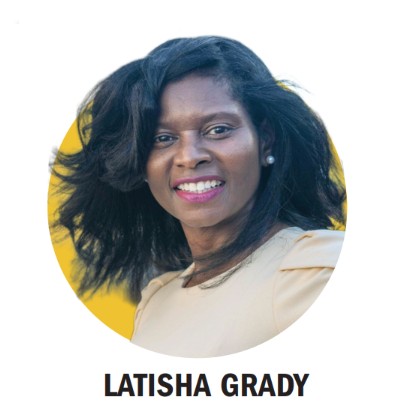
LATISHA GRADY
 Occupation:
 Business operations specialist
Political experience: Secretary of Jones County GOP, Electioneer, Grassroot Supporter, Speaker
Political affiliation: Republican
If elected, what changes would you like to see in the district during your term? Grady: "According to U.S. Census Bureau's American Community Survey (ACS) 2020–2024 estimates, District 18’s unemployment rate is 4.7%, compared with 3.1% in New Hanover County, with higher rates among youth and men. I would like to see the unemployment rates decrease and disrupt the generational poverty cycle and government dependence in the district by increasing residents’ earning power (keeping income taxes low), expanding economic opportunity and creating pathways to self-sufficiency. I will support tax and economic-growth policies that help working people and small businesses keep more of what they earn while encouraging investment and job creation. I will work with Cape Fear Community College, local employers, business leaders and community organizations to explore a trades and career training center inside District 18. I would like to work with our school board and legislative colleagues to transform the middle and high school experience to include early hands on training in trades, arts and technology. Imagine A Kids Making It program as a class as early as 4th grade?
What challenges do you see at the state level that could impact your district? Grady: "The biggest threat to our district, state and nation is ideological. Policies behind the housing affordability crisis, public safety threats, rising costs and declining literacy rates are rooted in ideology or worldview. The more sound and common-sense a worldview, the easier for legislators to rationally discuss and solve economic and social problems. Consequently, two worldviews compete to control North Carolina's economic future and social order.
One is a Democratic Progressive view closely aligned with the Democratic Socialists of America's (DSA) agenda—evidenced by how many progressive Democrats refuse to denounce this anti-American agenda — rooted in Marxism. The other is a conservative agenda rooted in common sense and classical economics. The progressive approach to affordability: government-sponsored housing, childcare and food policies inspired by socialism. This ideology poses as humanitarian and inclusive to win public trust while drafting irrational, anti-American policies.
"In contrast, the conservative approach lets people keep more of what they earn to afford the lifestyle and housing they want. It addresses the supply side, reducing burdensome costs on suppliers of housing and goods and services while protecting consumers and the environment. Costs driven by a Marxist ideology that inspires policies punitive, hostile and antagonistic toward wealth, businesses and patriotic Americans.
What do you think about the possibility of a toll to fund the Cape Fear Memorial Bridge replacement? Grady: "If I were in office today, I would vote NO on a toll and would be in favor of funding option A. I would fund it with an X % tier sales tax designated for the project costs that expires or reduces when the project is complete. Then, the next tier sales tax % would be permanent allocated for a maintenance fund.
"If elected, which industry would you like to see grow in your district? With the recent expansion of the tax credits, I would like to see the film industry grow which would be great for the local economy. I would like to see the emerging digital asset industry established to compliment the local fintech community in the city.
What do you think you bring to the role that is unique and how? Grady: "Personally, the greatest asset I bring to any role or relationship is my relationship with Jesus Christ. My thoughts and actions are seen when no one else is looking. Professionally, my core skill is operational problem solving which is spotting a problem and designing a customized process to solve or improve it. Over the past 15 years as business operations support, I've solved administrative and process problems driving results for real estate, accounting, HR and fintech teams. All these experiences taught me how to listen for pain points to solve problems, work with others and deliver results–all of which transfer well to a legislative environment. As a digital asset investor, I bring a good working knowledge of the emerging digital asset industry which will be helpful in future financial services legislation. Finally, one of my proudest professional moments was being named my company’s Social Responsibility Ambassador where I advocated for a homeless solution charity and lobbied my CEO to have our company become one of its first corporate sponsors. For, the primary role of a state representative is to be an advocate."
HOUSE DISTRICT 19
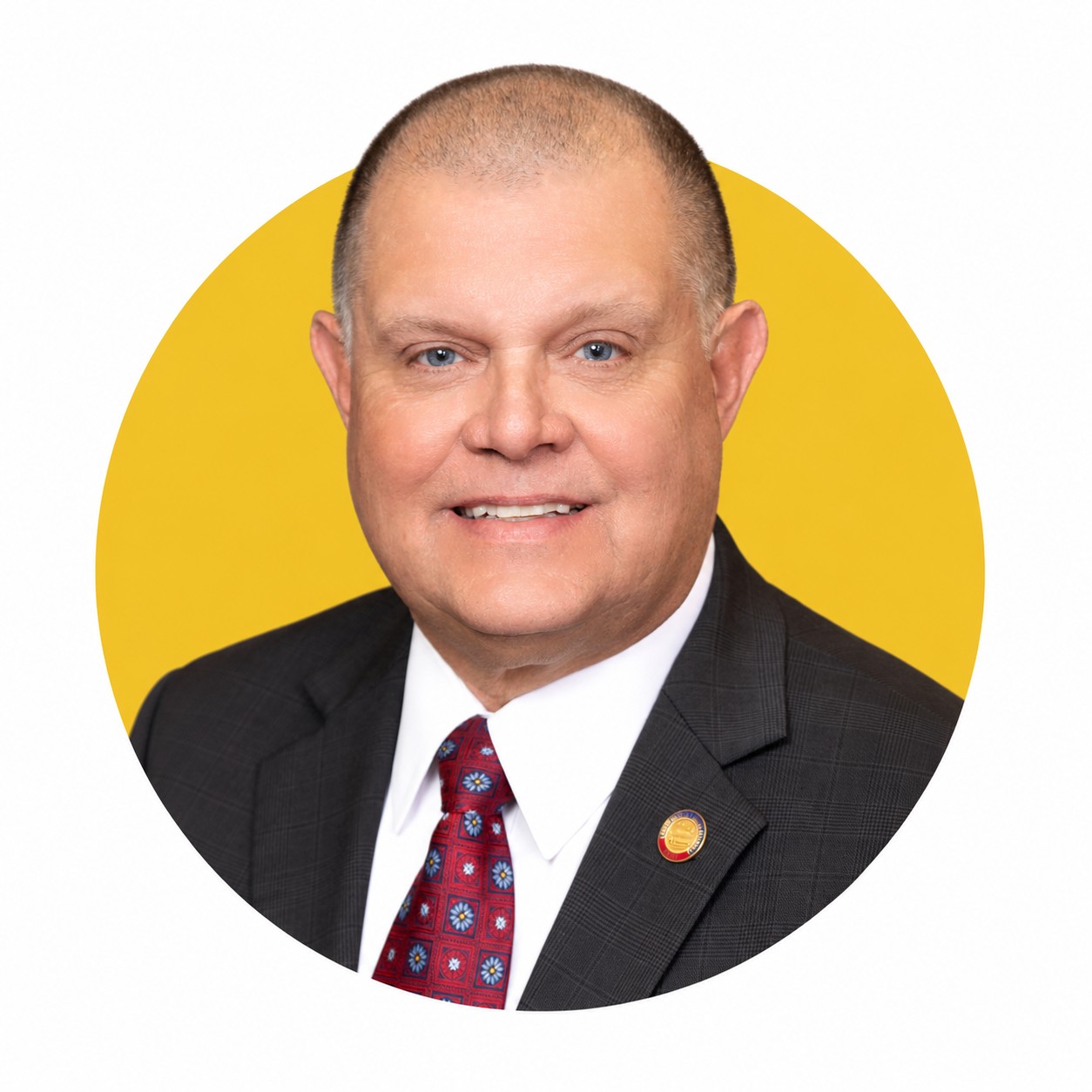
REP. CHARLIE MILLER
 Occupation:
 Retired Chief Deputy, Brunswick County Sheriff’s Office; North Carolina State Representative, House District 19
Political experience: N.C. House of Representatives, District 19 (three terms); Brunswick County Board of Education (four terms); Chair, House Appropriations Committee on Justice and Public Safety. Founder, bipartisan Law Enforcement Caucus.
Political affiliation: Republican
If elected, what changes would you like to see in your district during your term? Miller: "I want my next term to deliver results that families and job creators can feel. First, a new Cape Fear Memorial Bridge, built without a toll on the people who already depend on it every day. Second, infrastructure that keeps up with demand: roads, water and sewer capacity and schools. Fast-growing counties should not have to wait years for state funding formulas to catch up with students already sitting in their classrooms.
"Third, a stronger workforce. I co-sponsored House Bill 1163, the Workforce Act of 2026, to support ApprenticeshipNC, industry-valued credentials and workforce grants – so local job creators can hire people trained right here with the skills they need to prosper.
"Fourth, safer communities. I will keep advancing the Back the Blue Pay Act, House Bill 42, which would provide raises and bonuses for law enforcement and enhance pension benefits for firefighters, rescue squads and the National Guard. Businesses and families alike depend on public safety agencies that can recruit and keep good people.
"And I will keep fighting for clean water. The families and utility customers who did not create PFAS contamination should not have to pay to clean it up. The companies responsible need to.
What is your approach to growth and development in your district? Miller: "Growth comes with both challenges and opportunities. Brunswick County and New Hanover County are two of the fastest-growing places in North Carolina and our roads, water systems and schools are feeling it.
"My approach is simple: growth should pay its own way and create opportunities for the folks already living here. New development should contribute to the infrastructure it requires instead of shifting those costs onto existing residents and small businesses. That principle is why I voted for the 2026 state budget that repealed the sales-tax exemption on electricity sold to data centers. Large projects should cover their own infrastructure and energy costs, not pass them on to ratepayers.
"Local elected officials also deserve a stronger voice in development decisions. The people closest to a community understand its needs better than bureaucrats in Raleigh do.
"Growth also has to come with investment. I will keep pushing for transportation funding, more water and sewer capacity and school funding that follows actual enrollment, so fast-growing districts like ours are not left behind. Done right, growth creates jobs and opportunity while protecting the coastal character and quality of life that make this region a place people want to live, work and invest.
What do you think about the possibility of a toll to fund the Cape Fear Memorial Bridge replacement? Miller: "I do not support tolling the Cape Fear Memorial Bridge, and I will not vote to authorize a toll.
"This bridge is not a luxury project. It is a critical corridor for commuters, freight, tourism and commerce between Brunswick and New Hanover counties, and it carries more traffic every day than it was designed to handle. Replacing it should be a state priority, and funded like one.
"Residents and businesses here already pay gas taxes, vehicle taxes and other transportation fees. They should not be forced to pay a permanent toll every time they go to work, see a doctor, make a delivery, or meet a customer across the river. For a small business crossing several times a day, a toll is a tax on doing business in our region.
"NCDOT has said its toll plan depends on the General Assembly changing state law. That puts the decision in Raleigh, and my vote will be no.
"Instead, the state should pursue federal bridge grants, a dedicated state appropriation, infrastructure bonds and a larger share of existing statewide transportation revenue. Over the long term, we must reform transportation funding, because more fuel-efficient vehicles are making gas-tax revenue less reliable.
If elected, which industry would you like to see grow in your district? Miller: "I want to see growth in industries that create good-paying, lasting jobs for people who already live here. Two stand out. The first is film and television production. It supports skilled crew members, small businesses, restaurants, hotels and tradespeople whose work never appears on camera. Southeastern North Carolina should stay competitive for productions that generate real economic activity here. I support a performance-based grant program that pays out only after a production’s North Carolina spending is documented, audited and verified. I would also support increasing the $31 million annual appropriation when qualified demand exceeds available funding.
"The second is the skilled trades. Every new home, road, school, and water line in our region requires electricians, plumbers, welders, HVAC technicians and construction workers – and those careers pay well without a four-year degree. That is why I co-sponsored the Workforce Act of 2026, which would expand apprenticeships and industry-valued credentials and launch a career development pilot in our public schools.
"What I do not want is to chase announcements that produce few permanent jobs while passing infrastructure and utility costs on to local ratepayers. Economic development should mean more opportunity for the people already living here."
What do you think you bring to the role that the other candidate does not? Miller: "Experience, relationships and a record. I am the only candidate in this race who has served in the General Assembly, and the only one who has helped write a state budget. As chair of the House Appropriations Committee on Justice and Public Safety, I help decide how the state funds courts, corrections and law enforcement.
"Before being elected to serve our communities in Raleigh, I spent more than 33 years in law enforcement, retiring as chief deputy of the Brunswick County Sheriff’s Office, and I served four terms on the Brunswick County Board of Education. I know how state decisions land on our schools, first responders and employers because I have seen it up close.
"That experience matters on day one. The issues facing this region, from the bridge to PFAS cleanup, to school funding for fast-growing counties, will not wait for a new legislator to learn the process and build relationships. I have already done that work.
"I have a record of working across party lines, including founding the bipartisan Law Enforcement Caucus, while staying true to the conservative values voters elected me to uphold: low taxes and responsible spending. I would be honored to earn your vote again on November 3."
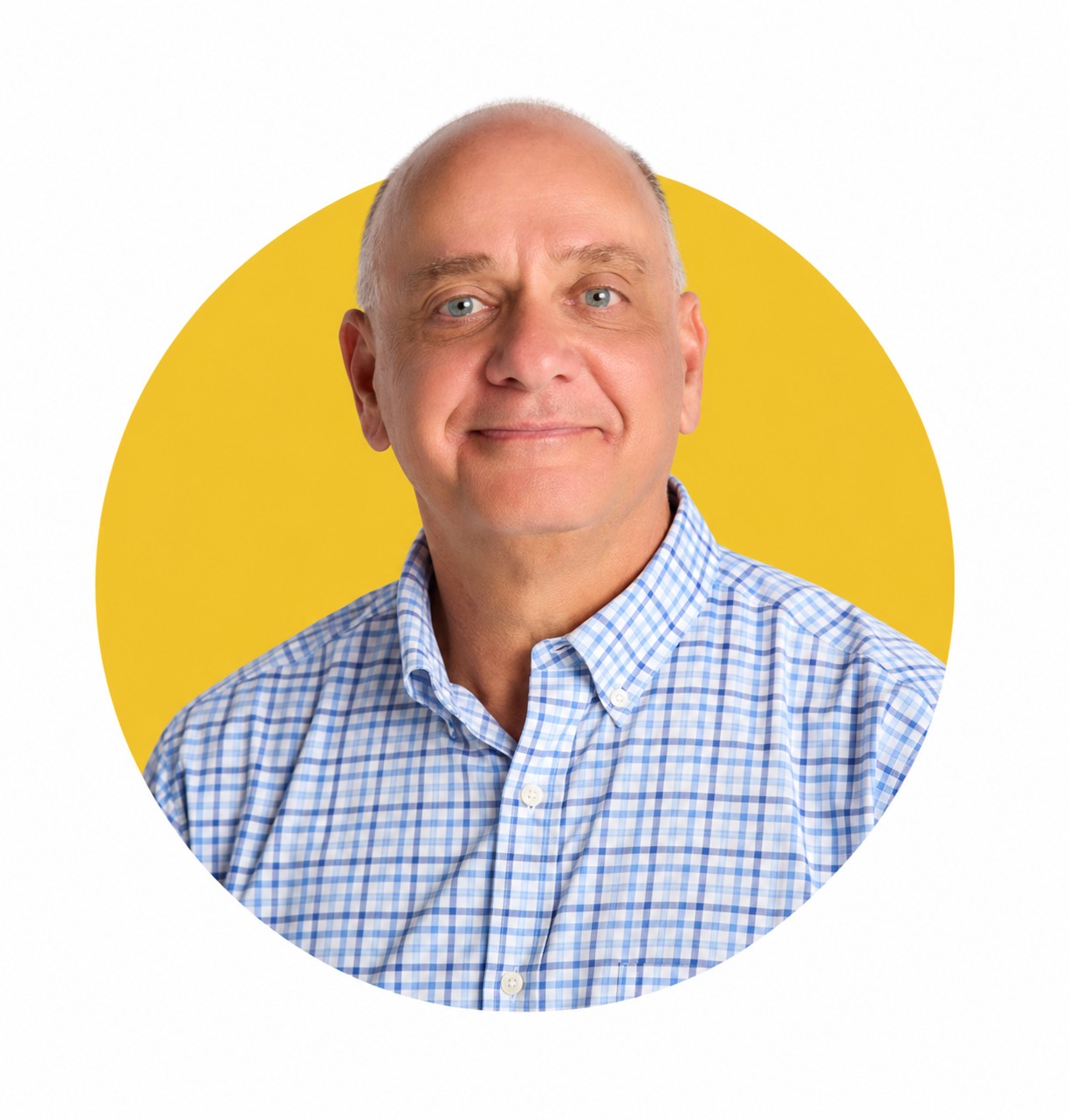
SCOTT NASIFF
Occupation: Small Business Owner
Political experience: Democratic Precinct Chair
Political affiliation: Democratic
If elected, what changes would you like to see in your district during your term? Nasiff: "During my term in office, I want to address the issues that are affecting so many people in District 19.
Chief among them: Rampant and unchecked growth with a lack of infrastructure; polluted water; skyrocketing prices - especially for housing, healthcare and electricity; and underfunded public schools with low teacher wages.
I will be tackling these issues and advocating for impact fees for developers, passing a law that allows the counties/cities to factor in infrastructure needs when assessing whether they should approve or deny a development, increasing funding to public schools and increasing teacher pay, advocating for safe clean drinking water and holding the polluters responsible and banning forever chemicals. I will also advocate for increasing the minimum wage and bringing down costs for the residents of the district."
What is your approach to growth and development in your district? Nasiff: "I am for managed and responsible growth. Usually, as you grow, you want infrastructure to grow in
tandem with development. This has not happened in Brunswick and New Hanover counties. Development has far exceeded the current infrastructure that is in place. We need to correct this imbalance. We need to give power back to the county and city governments. They know what is best for their areas and the residents, not Raleigh.
"I believe the county and cities need to have the ability to either approve or deny a development based on infrastructure needs. If the infrastructure (water and sewer, schools, roads, fire and police) is not in place, then they should be able to deny that development until such time it is. I also believe that developers need to pay impact fees so that they can help pay for the infrastructure. Residents shouldn’t be the ones left with the check. Developers pay impact fees in 34 other states, but not in North Carolina, and that needs to change. We also need to look at how growth impacts our environment. We should be protecting our wetlands, banning clear cutting and regulating open burns. Clear cutting and destruction of our wetlands increases flooding for current and new residents. Open burns have negative health outcomes for everyone, especially the young and the elderly. Growth does not need to come at the expense of our health and natural resources."
What do you think about the possibility of a toll to fund the Cape Fear Memorial Bridge replacement? Nasiff: As it stands now, I oppose a toll for the Cape Fear Memorial Bridge. Asking residents of the Cape Fear Region to shoulder a disproportionately large share of the costs for a new bridge that benefits the entire state places an unfair and inequitable burden on one segment of North Carolina’s population.
"Current officeholders at all levels of government have been remiss in not aggressively pursuing alternate payment options – at the expense of their constituents. I will work to oppose any toll. As for paying for it, I would be in favor of not eliminating the state corporate income tax and possibly utilizing those funds to help pay for the bridge.
"If elected, which industry would you like to see grow in your district? I would like to see the healthcare and manufacturing sectors grow in District 19. The counties in District 19 continue to grow at a rapid pace and we need more healthcare services, especially as the population continues to age. Hospitals, physicians, dentists, physical therapists and occupational therapists are needed now. You often have to wait months to get an appointment with some specialists. As for manufacturing we are close to the Port of Wilmington, which makes it appealing for manufacturing companies to build in New Hanover and Brunswick counties. Both of these industries would be welcome additions to District 19 and bring needed services and jobs to the area."
What do you think you bring to the role that the other candidate does not? Nasiff: "I am the best candidate because I will be transparent. I will let people know what is going on in Raleigh and how the bills being considered for law will impact them. People want someone who will listen to them, keep them informed, be responsive and pass laws that will help them.
"No matter what your political affiliation, I will always have an open door policy to listen to the residents of the district. I will always try to do what’s right for the people of the District.
"My opponent has not done that. He has lost his way and no longer represents the people of District 19. He represents developers, corporations and the ultra-wealthy. We need to get back to looking out for each other and building a better community for all, and that is what I plan on doing when elected."
HOUSE DISTRICT 20
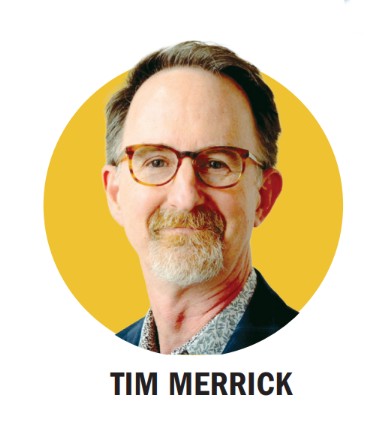
TIM MERRICK
Occupation: Retired Chiropractor
Political experience: Currently serving as a board member on the New Hanover County School Board
Political affiliation: Democrat
 If elected, what changes would you like to see in New Hanover County during your term? Merrick:
 "If elected, I don't just want to talk about the challenges facing New Hanover County. I want to deliver specific solutions from Raleigh and ensure our community receives the resources it needs.
My priorities include helping fast-growing communities build the schools and infrastructure they need; raising teacher pay and improving retention; holding polluters responsible for the cost of cleaning PFAS from our drinking water; expanding workforce housing and homeownership opportunities; investing in apprenticeships, community colleges and skilled trades; supporting small businesses; and giving local communities reasonable flexibility to solve local problems.
"By the end of my term, I want stronger public schools, infrastructure that better keeps pace with growth and more opportunities for working families to build a good life here. I want young
people to have multiple paths to good-paying careers and families to have a better chance of owning a home in the community they love.
"Above all, growth should improve the lives of the people who already call New Hanover County home. We can grow our economy while protecting our water, strengthening our schools, supporting local businesses, and preserving the quality of life that makes our community special.
What is your approach to growth and development in New Hanover County? Merrick: "My approach is guided by a simple principle: growth should improve the lives of the people who
already call New Hanover County home. Growth can bring new jobs, businesses, housing, and opportunity, but we have to plan for it responsibly. That means making sure our roads, schools, water and sewer systems, and other infrastructure keep pace with development rather than asking existing residents to continually shoulder the disruption and the cost. It also means protecting our drinking water, coastal environment, and the quality of life that makes people want to live here in the first place.
"As a state legislator, I will work to ensure that fast-growing communities like ours receive their fair share of state infrastructure and school funding, while giving local leaders reasonable
flexibility to address local development and housing needs.
"We should be able to grow our economy while protecting our water, strengthen our schools without continually increasing the burden on local property taxpayers, and create more opportunities for working people to build a good life here. Growth is inevitable. Our responsibility is to make sure we manage it wisely and that its benefits are broadly shared.
What do you think about the possibility of a toll to fund the Cape Fear Memorial Bridge replacement? Merrick: "I oppose tolling the replacement Cape Fear Memorial Bridge.
"This bridge is critical public infrastructure connecting New Hanover and Brunswick counties and supporting our regional economy. The people who cross it every day are going to work, taking their children to school, getting to medical appointments, making deliveries, and supporting businesses on both sides of the river. They should not have to pay a toll every time they cross.
"I am also concerned about any financing arrangement that would allow a private company to profit from infrastructure our region depends on. The public deserves complete transparency
about who would control toll rates, how much drivers would pay, how often rates could increase, how long tolls would remain, and how much revenue could leave our community.
"Replacing the bridge will require a significant investment, but southeastern North Carolina should receive its fair share of state and federal transportation funding. As a legislator, I would
advocate for funding solutions that recognize the Cape Fear Memorial Bridge as essential infrastructure with regional and statewide economic importance.
"We need to replace the bridge. We should not have to put a tollbooth between people and their jobs to do it."
If elected, which industry would you like to see grow in New Hanover County? Merrick: "I would like to see New Hanover County continue to grow industries that create good-paying,
year-round careers and give our young people a reason to build their futures here.
"We have an opportunity to become a leader in life sciences, biotechnology, and clinical research by building on the expertise already present in our region and strengthening partnerships with UNCW and Cape Fear Community College.
"I am also excited about the potential of the blue economy. With our location, UNCW's marine science expertise, and our coastal resources, New Hanover County is uniquely positioned to
grow industries such as marine technology, coastal engineering, marine biotechnology, aquaculture, and coastal resilience.
"I would also like to see continued growth in advanced manufacturing. These jobs can provide excellent careers for people pursuing apprenticeships, skilled trades, community college
credentials, and four-year degrees.
"Economic development shouldn't simply be about attracting more businesses. It should be about creating good jobs, developing local talent, supporting homegrown businesses and building industries that fit the strengths of our community. I want more young people to be able to say, 'I can build my career right here in New Hanover County.'"
What do you think the role of the New Hanover Community Endowment should be and why? Merrick: "The New Hanover Community Endowment exists because generations of residents built and supported a community-owned hospital. I believe its resources should therefore be treated as a lasting community asset and used to create opportunities that improve the lives of New Hanover County residents for generations to come.
"The Endowment should focus on strategic, measurable investments in areas such as public education, workforce development, health, affordable housing, community safety and economic
opportunity. It has the ability to make long-term investments that government and individual nonprofits often cannot make on their own.
"At the same time, I do not believe the Endowment should become a substitute for the basic responsibilities of state or local government. Government should not cut essential services simply because the Endowment exists, nor should taxpayers be asked to fund programs merely to unlock Endowment dollars.
"Finally, an organization entrusted with resources originating from the sale of a community-owned asset should embrace transparency and accountability. Residents should be able to understand how funding decisions are made, how results are measured and whether investments are delivering meaningful outcomes.
"Used wisely, the Endowment can be one of New Hanover County's greatest long-term assets. Its success should ultimately be measured by the lasting difference it makes in people's lives."
What do you think you bring to the role that the other candidates do not? Merrick: "I bring a combination of experience in public service, healthcare, education and small business, along with a perspective shaped by a lifetime of working with people from many different backgrounds.
"For more than 45 years, I have been a small-business owner. I have signed both sides of a paycheck, managed budgets, employed people and understood the responsibility that comes with making decisions that affect other people's livelihoods. As a healthcare professional, I have spent my career listening to people, identifying problems and working with them to find practical solutions.
"My service on the New Hanover County Board of Education has also given me firsthand experience with the challenges facing our public schools and with governing in an environment where people do not always agree. I have learned that effective leadership requires listening, preparation, transparency and a willingness to work with people who see things differently. I don't believe any one person or political party has all the answers. I will bring an independent voice, a collaborative approach and decades of real-world experience to Raleigh. I will listen
first, work across differences and stay focused on practical solutions that improve people's lives."
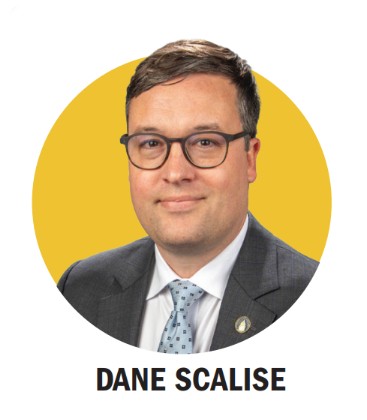
DANE SCALISE
Occupation: Small business owner
 Political experience:
 New Hanover County Commissioner (2023-present, Vice-Chair since 2025); Deputy Commissioner, NC Industrial Commission (2016-2020)
Political affiliation: Republican
If elected, what changes would you like to see in your district during your term? Scalise: "I am going to change the way both Raleigh and DC see and prioritize our community. We need more federal and state support for our schools, roads, infrastructure, green space, water, etc. I said during the Power Breakfast that as Representative I am going to bring back more money to New Hanover County than has ever been brought back previously. I meant it and I’m going to do it."
What challenges do you see at the state level that could impact your district? Scalise: "Regular life is simply too expensive right now. Elected officials at every level of government must be laser-focused on policies that drive costs down and keep more money in the pockets of the people we represent."
What do you think about the possibility of a toll to fund the Cape Fear Memorial Bridge replacement? Scalise: "As I have said for many years, I do not favor a toll. There are other available alternatives for getting this needed project done. For instance, given the interests of the U.S. Coast Guard and U.S. Army Corps of Engineers in the Cape Fear Memorial Bridge, I believe that the federal government needs to play a larger role in funding its replacement. I am working with our federal representatives now to make that case and am quite hopeful we will find a solution soon."
If elected, which industry would you like to see grow in your district? Scalise: "I’m the pro-business candidate in this race, so the truth is that I want to see all our local businesses and industries grow and flourish. If I have to pick just one for this question, I will go with healthcare. Faster, better, affordable healthcare is a rising tide that lifts all our community’s boats (aka, our people and businesses). To help achieve this outcome, I will continue advocating for a medical school at UNCW and to expand our network of medical providers and services."
What do you think you bring to the role that is unique and how? Scalise: "I am a small business owner who works with regular people and small businesses in our community every day. My wife and I are raising our children here. Political talk is cheap and voters are looking for someone with skin in the game to represent them. This role isn’t a title or hobby for me; I am personally invested in fighting and delivering results for our families and small businesses. My record of real results as County Commissioner will continue in my role as Representative."