Since the beginning of the year, lawmakers in Raleigh have been considering a proposal that would fundamentally change how local governments operate. A House committee has proposed putting a constitutional amendment before state voters that would give legislators the authority to limit how quickly local property taxes can grow.
I understand where this is coming from. Many residents are feeling the impact of rising property values and higher tax bills, and that’s a real concern, especially for those on fixed incomes. Affordability matters, and it’s something local leaders think about every day.
At the same time, it’s important to consider what this kind of change could mean for our communities.
Cities and towns are the primary drivers of economic growth in North Carolina. They are where businesses choose to locate, where infrastructure investments are made and where population growth is most concentrated. To support that growth, local governments must be able to respond to changing needs, whether that’s investing in public safety, maintaining infrastructure or expanding services.
One of the strengths of our state has always been that local decisions are made locally. What works in one community may not make sense in another, and local governments need flexibility to respond to their unique needs.
A statewide, one-size-fits-all approach could make that more difficult.
We’ve seen examples in other states where limits like this led to unintended consequences over time, including challenges keeping up with infrastructure and service demands. That’s not just theoretical – after California adopted property tax restrictions in 1978, studies showed lasting impacts on local investment and the ability of communities to meet growing needs.
At the same time, local governments are managing many of the same financial pressures families are facing. Since 2020, the cost of providing core services has increased significantly. Among those increases: an 80% rise in street resurfacing costs; a 33% increase in entry-level police officer market-rate salaries; a 50% increase in the cost of a firetruck or similar vehicles.
These are the services that keep our communities safe and functioning.
Rising labor costs and increased competition for qualified workers have added new financial pressure for local governments.
Public safety alone often represents the largest share of a municipal budget, often approaching half of general fund expenditures. Limiting revenue flexibility at the local level could make it more difficult for communities to maintain the level of service residents expect and deserve.
Local accountability matters.
Tax decisions should be made by leaders who are directly accountable to the people they serve. Mayors, council members and county commissioners live in these communities, and they answer to residents who expect a thoughtful balance between affordability and the investments needed to keep their community strong.
At the end of the day, this is about balance.
I believe there are ways to address concerns about rising costs, particularly for seniors and those on fixed incomes, without limiting the ability of local governments to respond to growth and continue providing the services our residents expect.
North Carolina’s success is built on strong communities, and those communities work best when decisions are made close to home, by people who live there and are accountable to their neighbors.
As this conversation continues, I hope we can keep that principle front and center.
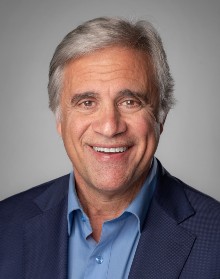
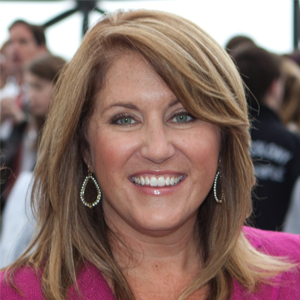
Bill Saffo is the mayor of Wilmington and the chair of NC Metropolitan Mayors Coalition.