As of July 26, First Federal Bank, with seven locations in the Wilmington market, is part of a new banking organization. The merger of First Financial Holdings, First Federal’s parent, and Columbia, S.C.-based SCBT Financial Corp. is now final.
First Federal Bank, headquartered in Charleston, S.C., has 66 locations in the Carolinas and ranks 8th in deposit market share. Locally, the bank is also 8th, with deposits of $236.8 million.
SCBT Financial Corp. is the parent of SCBT, NCBT, Community Bank & Trust, Savannah Bank and Bryan Bank & Trust.
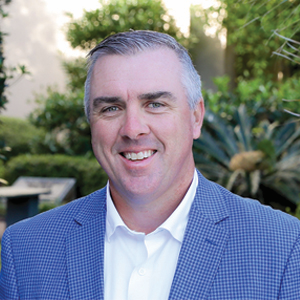
“This opportunity to get into Wilmington gives us additional coverage in an important state,” said John Windley, SCBT president. “We have an opportunity now to grow both north and south.”
Southern growth would be spurred by SCBT Financial Corp.’s ownership of banks in northeast Georgia.
The new bank’s parent company will be known as First Financial Holdings; the new bank’s name – as well as many operations details – have not yet been decided, according to officials.
“We’re going to take our time and do it right,” said First Financial Holdings’ CEO and president Wayne Hall of the merger process. “We want to minimize the impact for our employees and our customers.”
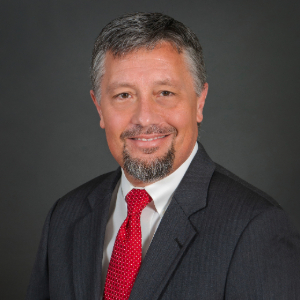
Hall said that he and Robert Hill, president and CEO of SCBT Financial Corp., have been talking about a possible merger for the past three to four years.
“Now the time is right,” he said. “We’re creating a dynamic community bank in the Southeast.”
The new merged bank company claims more than 600,000 customers as of Dec. 31, 2012 as well as 146 locations in South Carolina, North Carolina and coastal Georgia. Together the banks have $8.2 billion in assets, $6.7 billion in total deposits, $2 billion in mortgage production and $3.5 billion in total annual loan production.
Despite its expanded size and reach, the institution will continue as a community bank, Windley said.
“A community bank model provides local leadership in each of its geographic markets that can serve that market and make decisions,” he explained.
“The regional leadership on the ground in Wilmington, for example, is charged with growing their market and increasing profitability, and for driving all lines of business in the community.”
PNC reports Millenial survey findings, offers advice Millennials with at least some college education are less financially independent than their counterparts two years ago, according to a recent survey from PNC Financial Services Group.
In its second national sampling of twenty-somethings, PNC found that respondents who claim to be totally financially independent decreased 26 percent compared to results of the survey in 2011. And this year, 58 percent of respondents rate themselves behind where they expected to be in terms of financial success. That’s a 26 percent increase from the 2011 survey.
These young people continue to be optimistic, however. Sixty percent of those surveyed who are not currently financially independent are “determined” to become independent soon, the PNC report stated.
“The best thing is that they are still young, and there’s still time to develop and grow into financial well- being,” said Chris George, PNC Bank’s Wilmington-based senior vice president and regional manager.
“This is a good time for [recent graduates and other Millenials] to reach out to bankers and people in the financial industry,” he said. “The first thing is to have a good financial foundation: knowledge, some short-term and long-term goals, and a plan.”
George thinks of a financial plan as a pyramid.
“At the base, individuals should have checking accounts. But then you need a savings account and an emergency savings account, because if you leave all your money in a checking account, you’ll spend it all. By having separate accounts that have a special purpose, you’ll start building up a savings plan.
“If you are buying a car, set up your auto loan payments automatically from the savings account. When you don’t see the money, you don’t miss it.”
The longtime banker tells young people that there’s good debt and bad debt.
“Good debt provides you with an asset: an education, a home, a car. Bad debt is when you use credit for consumption: a trip, clothing. Once you’ve consumed it, it’s gone.”
George recommends that a young person have two credit cards: one to use selectively on purchases and one for backup. “Remember that credit cards are short-term borrowing. Plan to pay off your credit card debt in 30 to 60 days,” he advised.
George also tells young people – including his children – to keep a budget and track their expenditures, even small ones. At the end of the month, when the bank statement is available, they should compare actual expenditures to that budget.
“Financial institutions have online programs, such as Virtual Wallet, that let you see just where your money went,” he said.
PNC’s sampling of nearly 3,300 twenty-somethings took place in June.
Wells Fargo develops ‘Hands on Banking for Military’
When it comes to personal finances, military people face more challenges than most people. Deployments and frequent moves can put service members and their families at a financial disadvantage.
According to InCharge Debt Solutions, a nonprofit organization that provides credit counseling, recent decisions by the U.S. Department of Defense indicate that financial problems have become the leading cause for denying or revoking a security clearance.
Wells Fargo has announced the launch of a new program, Hands On Banking for Military, to address what the bank considers the unique needs of military personnel at every stage, from recruit to veteran. Focusing on education, the program offers 10 lesson topics that range from the basics of banking to planning for retirement.
Wilmington-based David Barnes, sales manager for Wells Fargo’s mortgage services in eastern North Carolina, works with military homebuyers.
“We provide special training to our loan officers in Wilmington and in our military markets: Jacksonville, Fayetteville and Goldsboro,” Barnes said.
The mortgage component of Hands On Banking for Military emphasizes education for first-time homebuyers. “We educate them on all [lending] options available,” Barnes said. “There are a number of young marines at Camp Lejeune that would like to purchase a home but have little or no credit. We’ve been trained to help someone develop an alternative credit report, using such things as cell phone records or furniture rental records.”
To work effectively with a military market, he explained, banking personnel must be familiar with military lingo.
“For example, you never ask a military person for a pay stub; it’s an LES – a Leave and Earnings Statement,” he said.
Wells Fargo’s partner in its Hands on Banking for Military program is the National Foundation for Credit Counseling. In addition to the HTML-based online course (www.handsonbanking.org) classes and counseling are available at NFCC member agencies, including an affiliate in Wilmington. For information, call 855-374-2773.

Banks See NC Branch ‘renaissance’
Eric Williamson
-
Jun 10, 2026
|
|
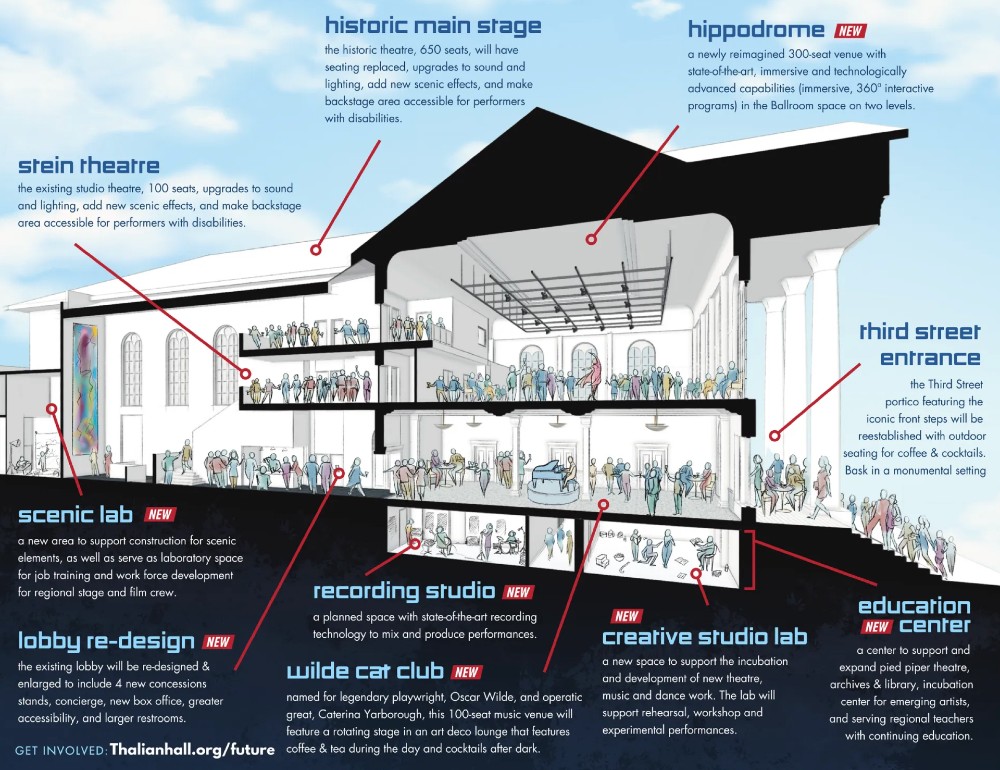
Thalian Hall Transformation Project Lauds Largest Corporate Donation Yet
Staff Reports
-
Jun 10, 2026
|
|
Carolina Beach Startup Skillmaker Closes $4.5M Seed Round
Cierra Noffke
-
Jun 10, 2026
|
|
Making Use Of Art’s Leftovers
David Frederiksen
-
Jun 10, 2026
|
|
For Parks And Rec, Pause Still In Place
Cece Nunn
-
Jun 10, 2026
|
This spring and summer have been a rough time for the city of Southport’s Parks & Recreation Department....
“We’re trying to give control back to the broker,” said the CEO of the Wilmington-headquartered company’s business approach. “We wanted to b...

Officials said that the N.C. Fourth of July Festival is an annual fundraising miracle that can’t be taken for granted because there’s no fin...

The 2026 WilmingtonBiz: Book on Business is an annual publication showcasing the Wilmington region as a center of business.