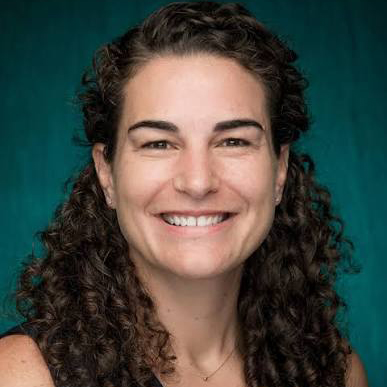
This Insights article was contributed by Laura Estes Brown, Associate Dean of Veteran Affairs and Special Projects at North Carolina Wesleyan College.
Whether you are newly transitioning from military to civilian life or it has been years since you served, understanding your veteran benefits and choosing the right college can be overwhelming.
With the recent passing of the Harry W. Colmery Veterans Educational Assistance Act in August 2018 – otherwise known as the Forever GI Bill and commonly known as “CH 33/Post 9-11” – quite a few changes have been made to add to the confusion. The most notable changes include the elimination of the 15-year limitation on using the benefits and a change in how housing benefits are calculated.
CH 33/Post 9-11 benefits vary depending on time in service, but the majority of veterans have 36 months of benefits. During the time enrolled, the VA will pay the student a monthly housing allowance based on the zip code of the facility where the student takes the majority of his or her courses. The benefit is the same as an E-5 with dependents.
In addition to the housing allowance, the student will receive up to $1,000 per year to cover the costs of textbooks. The textbook benefit is distributed based on the hours enrolled per semester and is included in your first housing payment.
There are a few things to keep in mind when using the benefits. First, your housing allowance will be reduced by half if your courses are all online or “distance.” Most hybrid courses (combination of online and face-to-face) are considered the same as online. Try to take at least half of your courses as seated, if possible.
Second, the VA pays the student according to dates enrolled and attended. If you stop attending, you could potentially end up paying the debt back to the VA. Remember, the only way to be counted present in an online class is to turn assignments in on time.
There are several different ways students, who are either veterans or currently serving members, can use to get the most from their GI Bill benefits when deciding between colleges:
 Laura Estes Brown is Associate Dean of Veteran Affairs and Special Projects at North Carolina Wesleyan College and has worked with students as an academic advisor since 2000. She currently serves as School VA Certifying Official assisting students with their veteran benefits. In 2017, she formed the NCWC Veterans Advisory Committee comprised of faculty, staff, students and community leaders who are veterans or military-related. The mission of the Committee is to advocate for Veteran support and services on Wesleyan campuses. Committee members were key in forming the first (nationally recognized) Student Veterans of America chapter at NCWC and sponsored various veteran-related events.

S. Fletcher Daniels writes, "Nonprofits work at the intersections of complex social issues, so there isn’t a single 'bottom-line' metric lik...

Rising food costs have hit low-income families particularly hard, a nonprofit organization official said, while cuts and other changes to th...

John Thomason used the loan he received from the fund, which now provides up to $15,000 for high-demand workforce training, to help cover mo...
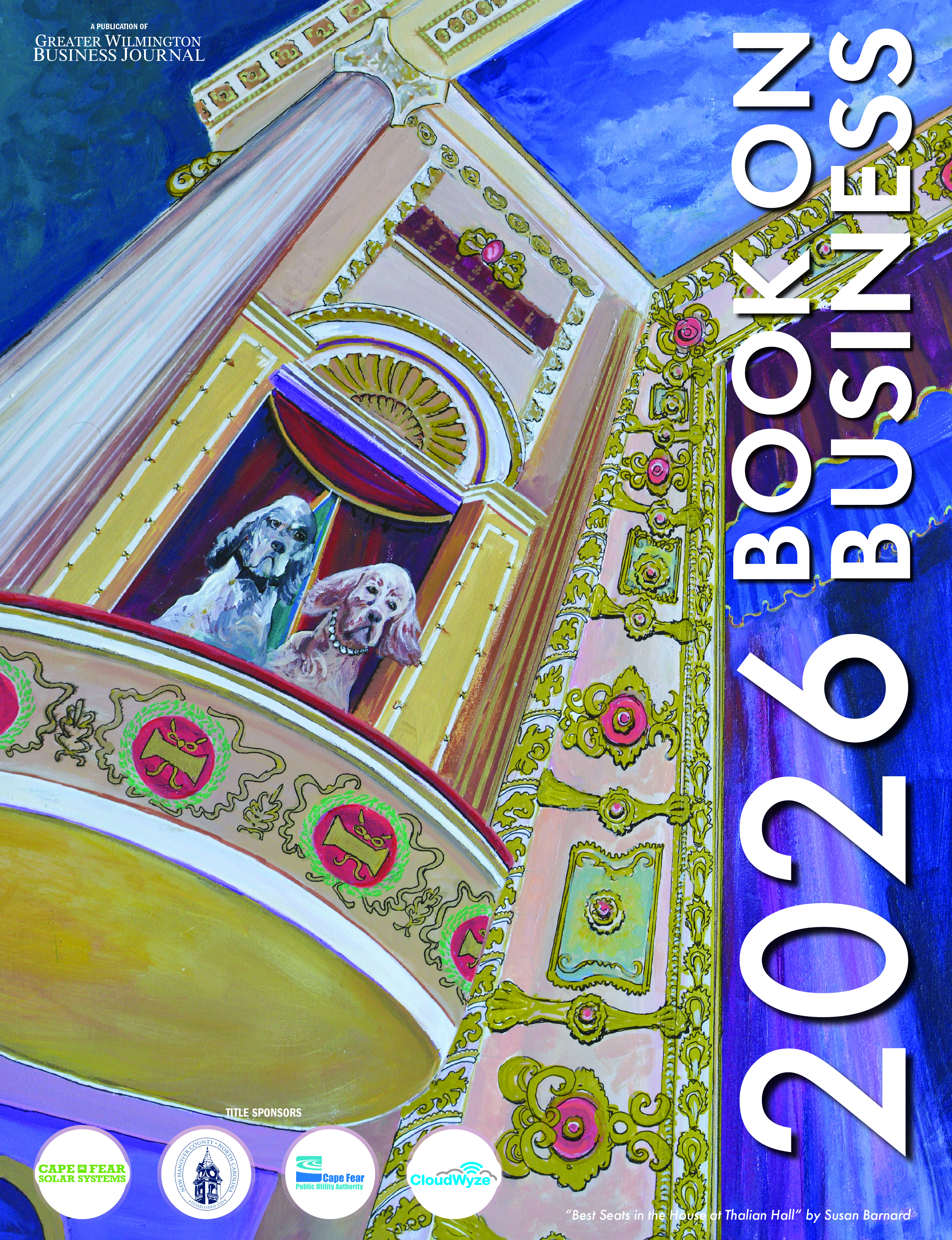
The 2026 WilmingtonBiz: Book on Business is an annual publication showcasing the Wilmington region as a center of business.